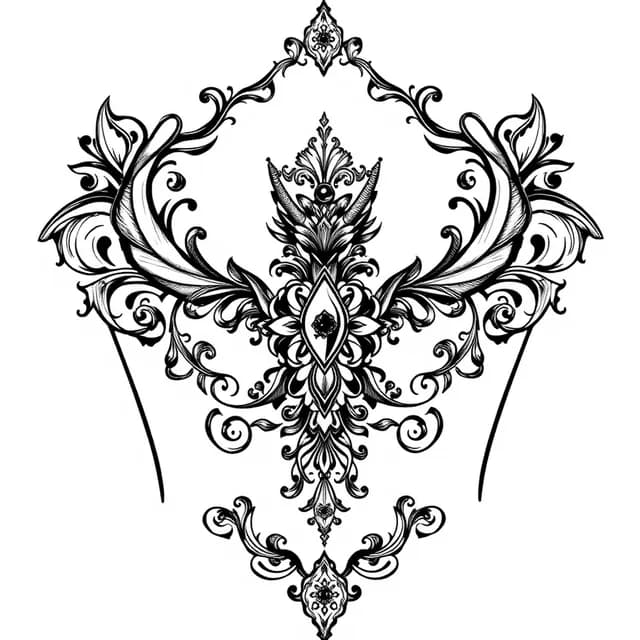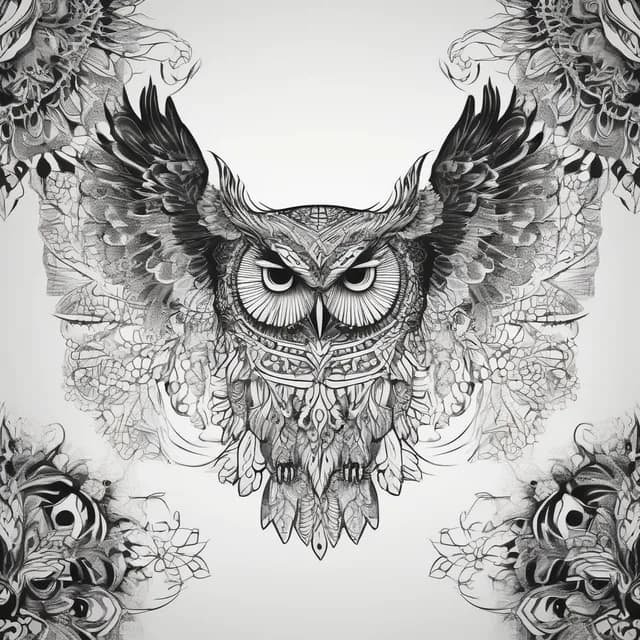

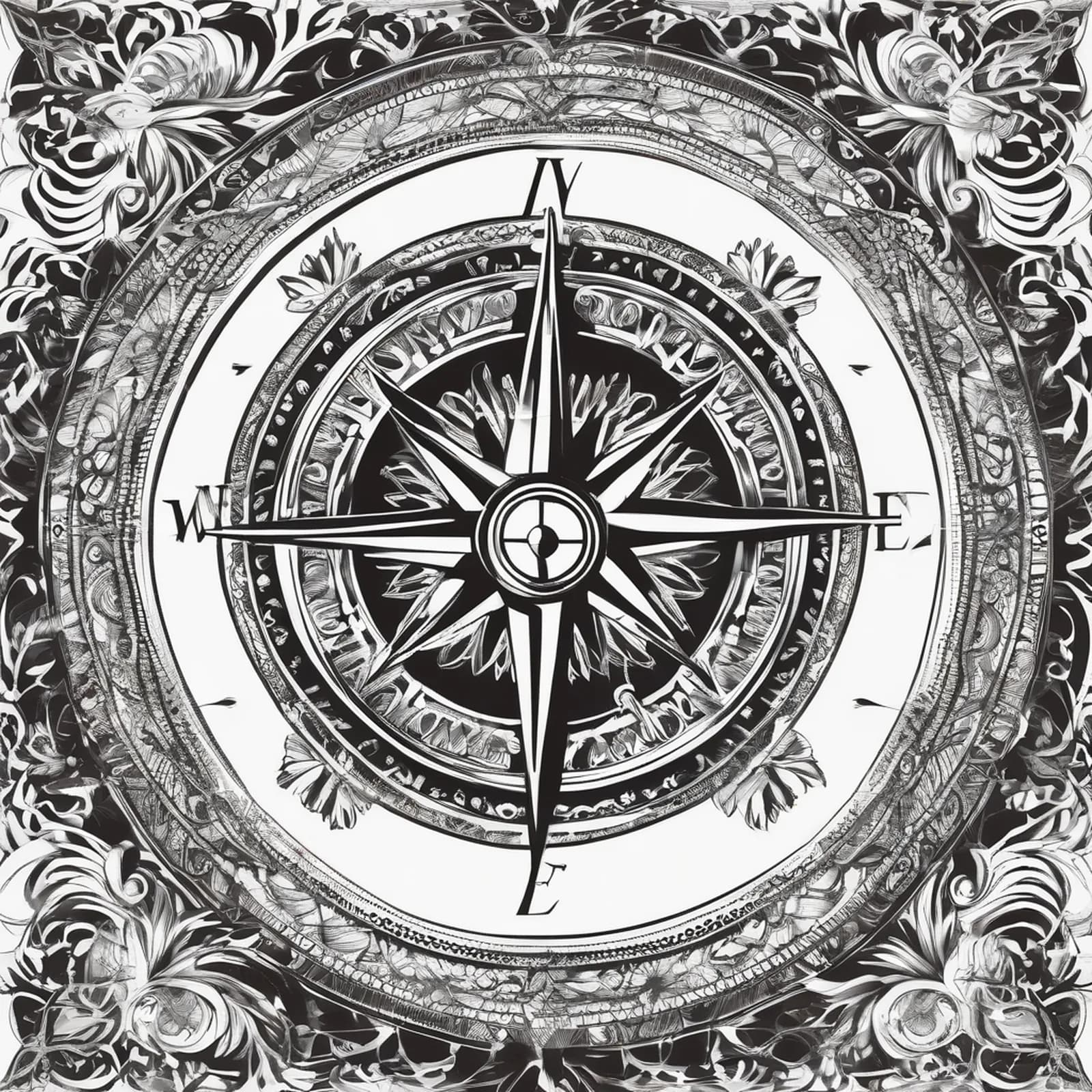
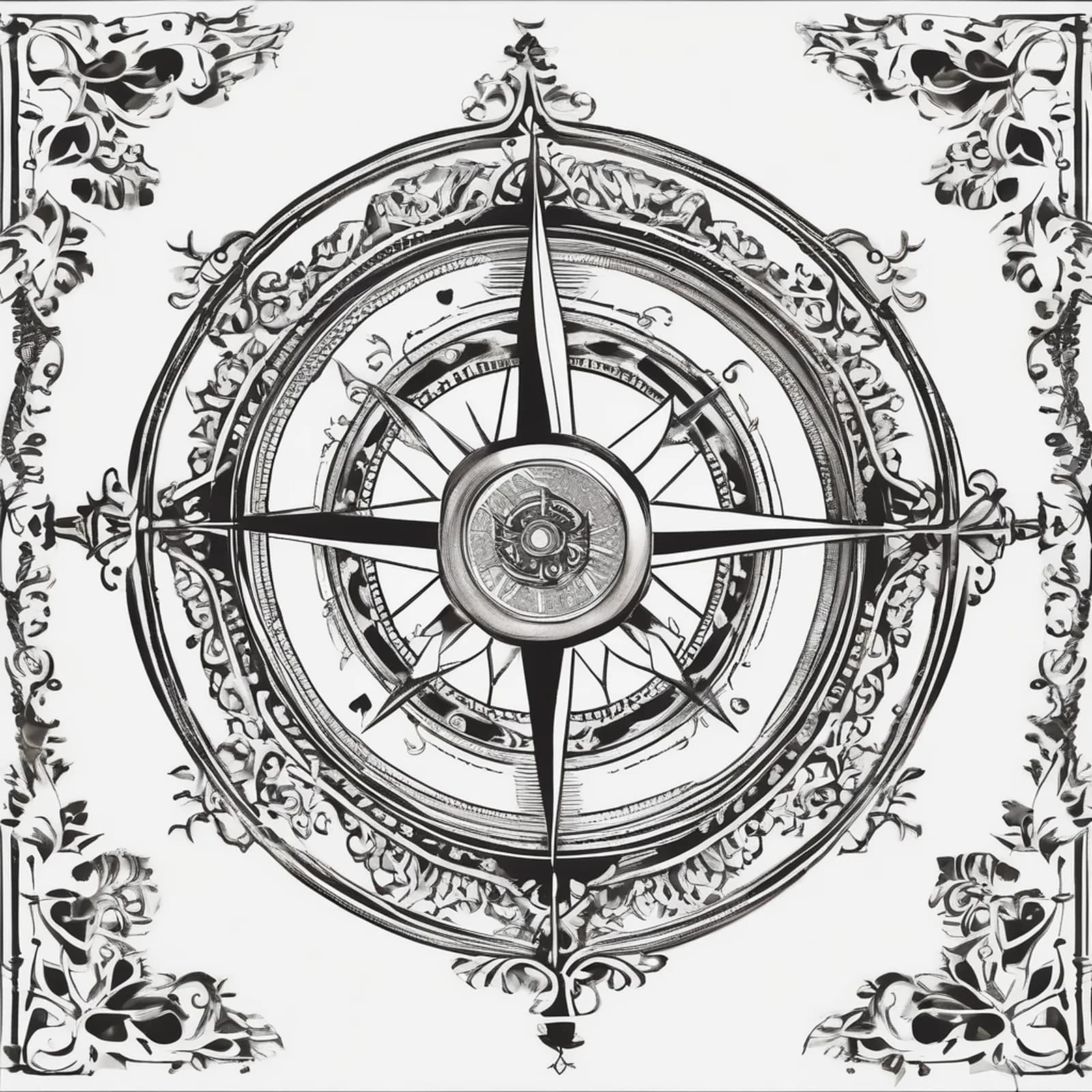
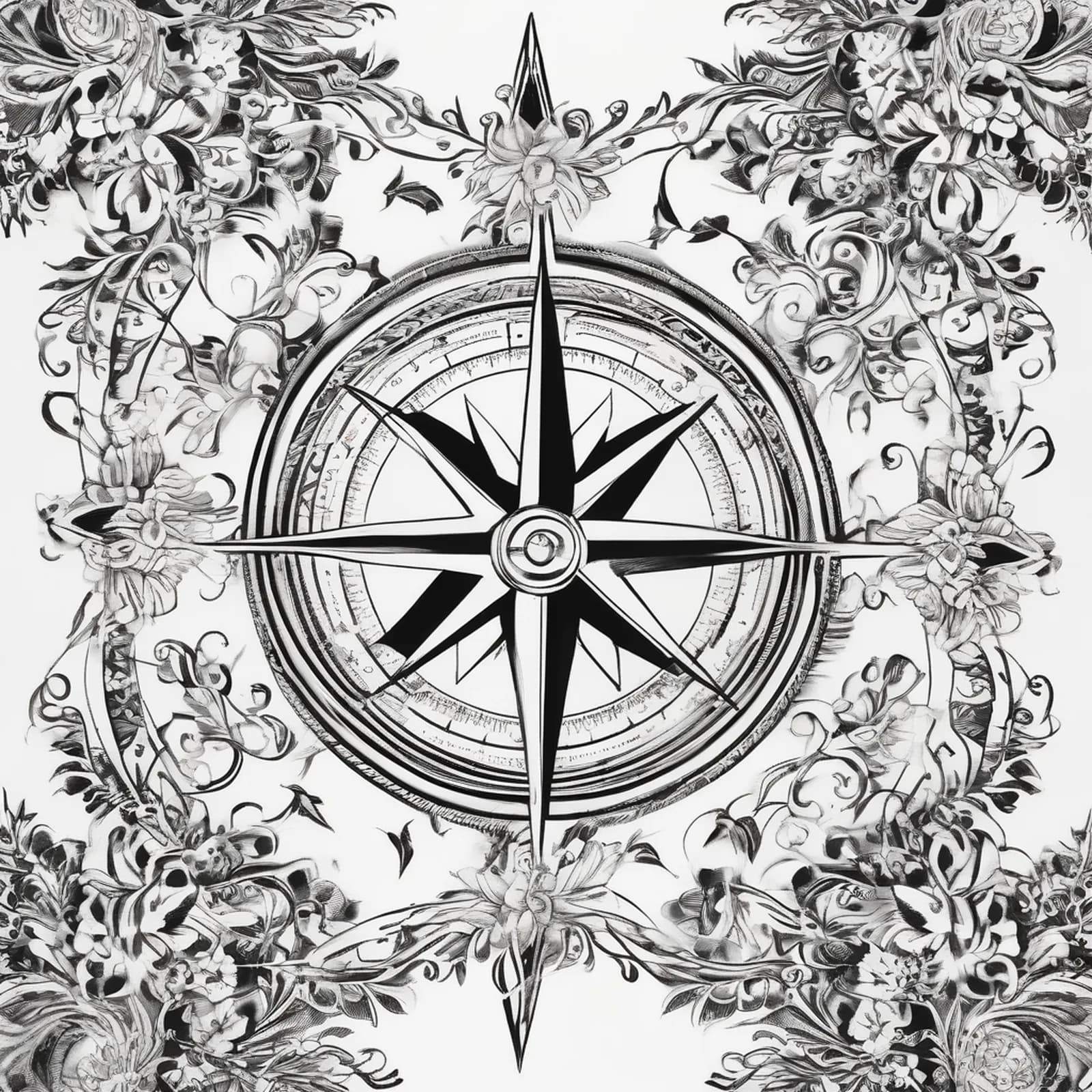
Digital erstelltes Design-Visual. Dein Tattoo wird vom Künstler gezeichnet und an deinen Körper angepasst.
Ornamentaler Kompass-Tattoo auf dem Brustbein
Jedes Motiv wird individuell kalkuliert – der Preis hängt von Größe, Detail und der Anzahl der Sitzungen ab. Sag uns, was du möchtest, und wir nennen dir einen All-inclusive-Preis.
Über dieses Design
Dieses Kompass-Design ist kein bloßes Symbol – es ist eine strukturierte, symmetrische Aussage, die präzise im Herzen platziert ist. In ornamentaler Art gestaltet, ist jede Linie gezielt und erinnert an alte Navigationsmotive mit moderner Präzision. Die Skala von 15–25 cm ermöglicht detaillierte Arbeit ohne das Format zu überwältigen. Auf dem Brustbein platziert, sitzt es im symbolischen Zentrum des Körpers und fungiert gleichzeitig als persönlicher Leitfaden und visueller Anker. Ideal für alle, die Bedeutung in Ausgewogenheit, Richtung und bewusster Kreativität suchen.
Was das Motiv zeigt
Der Kompass ist in symmetrischen, miteinander verzahnten Linien dargestellt, die einer präzisen radialen Geometrie folgen. Der äußere Ring ist dick und bildet eine geschlossene Grenze ohne Unterbrechungen – keine Lücken, keine lose Enden. Im Inneren sind die Himmelsrichtungen als scharfe, eckige Markierungen gestaltet, jeweils exakt im 90-Grad-Abstand angeordnet. Der zentrale Knoten ist eine dichte Verschachtelung sich kreuzender Linien, der als Blickfokus dient und die Aufmerksamkeit nach innen zieht. Negativraum wird sparsam genutzt; das Design füllt die Fläche mit kontrollierter Dichte. Die Linienstärke ist konstant, variiert jedoch leicht an den Verbindungsstellen, um die Strukturstabilität zu betonen. Das Auge folgt im Uhrzeigersinn: von Norden entlang des äußeren Bogens, durch den Zentrumsknoten und zurück – ein geschlossener Kreis der Absicht.
Bedeutung & Symbolik
Der Kompass ist seit jeher Symbol für Richtung, Ziel und Selbstnavigierung. In der Seefahrt stand er für die Fähigkeit, sich auch in Unsicherheit zurechtzufinden. In der ornamentalen Kunst erscheint er oft als Zeichen von Ausgewogenheit, Ordnung und Kontrolle. Diese symmetrische Gestaltung am Brustbein hebt das Symbol über die Navigation hinaus – sie wird zum persönlichen Kompass für Lebensentscheidungen. Obwohl er keiner bestimmten Kultur zugeordnet ist, resoniert seine geometrische Form über verschiedene Traditionen hinweg, von mittelalterlichen europäischen Manuskripten bis hin zu islamischer Geometriekunst. Der zentrale Knoten spiegelt die Vorstellung von innerer Stille wider – einen Punkt der Klarheit mitten im Bewegungsfeld.
Für wen dieses Motiv ist
Dieses Tattoo eignet sich für Menschen mit starker Identität, die Präzision und Tiefe in ihrer Körperkunst schätzen. Es ist nicht für Anfänger, die Minimalismus suchen – es ist ein markantes, sichtbares Design, das Engagement verlangt. Es passt gut zu offenen oder tiefen Ausschnitten, aber weniger zu Berufen, die vollständige Bedeckung erfordern. Perfekt für alle, die mutige, symbolische Tattoos mögen und sich mit einer schmerzhaften, auffälligen Stelle anfreunden können.
Wie es am Körper sitzt
Das Brustbein ist ein hochsichtbares Gebiet mit einer deutlichen zentralen Wölbung und subtiler Krümmung. Der Kompass liegt flach entlang der Mittellinie des Brustbeins, seine Symmetrie ist mit der vertikalen Achse des Körpers ausgerichtet. Beim Atmen bewegt sich die Haut leicht, doch die geometrische Präzision hält ihre Form. Beim Liegen oder Strecken dehnt sich die obere Brust aus, doch der zentrale Knoten bleibt stabil. Der äußere Ring umschließt sanft die leichte Wölbung und schafft eine natürliche Strömung ohne Verzerrung. Die Symmetrie sorgt dafür, dass sich das Design bei Bewegungen nicht visuell verschiebt.
Wie die Sitzungen ablaufen
Der 2-Sitzungs-Plan ist für diese Größe und Position unerlässlich. Bei der ersten Sitzung wird der Kompass umrissen, die radiale Symmetrie hergestellt und der zentrale Knoten platziert. In der zweiten Sitzung werden die inneren Linien vervollständigt, der äußere Ring verfeinert und abschließend Schattierung für Tiefe hinzugefügt. Ein Abstand von 3 Tagen zwischen den Sitzungen ermöglicht die erste Heilung und verringert das Risiko einer Überreizung. Die erste Sitzung ist intensiv, aber gut zu bewältigen; die zweite baut auf der Struktur mit präzisen Details auf.
Umsetzung auf einer Istanbul-Reise
Mit 3 Nächten in Istanbul passt sich Ihr Heilungszeitplan perfekt an Ihre Reise an. Die Lage des Studios in Kadikoy bietet bequemen Zugang von beiden Flughäfen IST und SAW. Nach Ihren Sitzungen haben Sie Zeit zum Ausruhen – kein Baden im Meer oder Pool während der 14-tägigen Oberflächenheilung. Die kompakte Stadtstruktur ermöglicht es Ihnen, bequem zu Fuß zu Ihrem Hotel oder Studio zu gelangen. Leichte Kleidung und begrenzte Sonneneinstrahlung sind einfach zu handhaben. Die Heilung verläuft natürlich, während Sie die Bosporus-Region erkunden und das rhythmische Flair der Stadt an zwei Kontinenten erleben.
Nachsorge für dieses Motiv
Halten Sie das Tattoo die ersten 14 Tage sauber und trocken. Vermeiden Sie direkte Sonneneinstrahlung, besonders beim Rückflug – bedecken Sie es mit lockerer, atmungsaktiver Kleidung. Schwimmen Sie in Pools oder Meeren erst nach vollständiger Heilung nach 12 Wochen. Verwenden Sie zweimal täglich eine leichte, duftfreie Salbe. Bei der Flugreise vermeiden Sie enge Kleidung und halten Sie die Stelle bei Gelegenheit frei von Luft. Die Brustbeinregion ist während der Reise empfindlich – vermeiden Sie daher das Vorbeugen oder Drücken gegen Sitze.
Größen, Platzierungen und Varianten
Für eine persönlichere Note kann der Kompass mit einer subtilen Ankerlinie aus dem Südpunkt integriert werden, die Stabilität durch Veränderung symbolisiert. In Schwarzarbeit wird der Kontrast durch feine Nadeln für die inneren Linien und einen breiteren Tipp für den äußeren Ring verstärkt, wodurch Tiefe ohne Farbe entsteht. Eine Version mit einem einzigen Goldakkzent am Nordpunkt fügt eine symbolische Hervorhebung hinzu, die Führung oder Bestrebung repräsentiert. Dieses Design passt hervorragend zu einem minimalistischen nautischen Stern, der knapp unterhalb des Schlüsselbeins platziert ist und Themen der Navigation und des Schicksals unterstreicht. Für diejenigen, die eine größere Aussage wollen, kann der Kompass in die Schlüsselbeine hineinreichen und eine kontinuierliche geometrische Bande über die obere Brust bilden.
Häufige Fragen
Wie sieht ein ornamentaler Kompassrose auf dem Brustbein aus?
Ein ornamentaler Kompassrose auf dem Brustbein ist zentriert und symmetrisch, mit scharfen, geometrischen Linien, die einen geschlossenen Kreis bilden. Die Himmelsrichtungen sind stilisiert, und das Zentrum ist dicht mit sich kreuzenden Linien gefüllt. Er liegt genau entlang der Körpermitte und bildet einen ausgewogenen, bewussten Schwerpunkt, der auch bei Bewegung stabil bleibt.
Wie altert ein symmetrisches Kompassdesign auf der Brust?
Ein symmetrisches Kompassdesign altert gut auf der Brust dank seiner geometrischen Präzision. Die zentrale Ausrichtung und gleichmäßige Linienstärke verhindern Verzerrungen im Laufe der Zeit. Die stabile Hautoberfläche des Brustbeins hält die Schärfe bei, besonders wenn sie vor Sonne und Reibung geschützt wird. Eine korrekte Nachpflege sorgt dafür, dass die Linien sauber bleiben und die Bedeutung Jahrzehnte lang erhalten bleibt.
Ist ein Kompass-Brustbeintattoo schmerzhaft?
Ja, ein Kompass-Brustbeintattoo wird mit 9 von 10 Punkten als schmerzhaft eingestuft, da die knöcherne Oberfläche und die dünne Haut besonders empfindlich sind. Das Brustbein hat keine Fettschicht, sodass jeder Nadelstich direkt auf das Knochenmark trifft. Die Sitzungen sind aufgeteilt, um die Intensität zu managen – zwei Sitzungen à je 5 Stunden mit Pausen dazwischen –, was die Erholung ermöglicht, ohne die Detailgenauigkeit zu beeinträchtigen.
Wie unterscheidet sich ein Schwarzwork-Kompass-Tattoo von einem Minimal-Design?
Ein Schwarzwork-Kompass verwendet dichte, gleichmäßige Linien und scharfe Winkel und betont Struktur und Dauerhaftigkeit. Im Gegensatz zu minimalen Versionen füllt er den Raum mit bewusster Gewichtung. Der ornamentale Stil fügt durch Symmetrie und verzahnte Formen Komplexität hinzu, wodurch das Design visuell dynamischer und symbolisch tiefer wird.
Darf ich während der Heilungsphase in Istanbul schwimmen?
Nein, Sie müssen während der 14-tägigen Oberflächenheilung jeglichen Wasserkontakt vermeiden. Dazu gehören Schwimmen in Pools, Meeren oder sogar Baden. Das frische Tattoo ist anfällig für Infektionen. Bleiben Sie bei Duschen und halten Sie die Stelle trocken. Nach 14 Tagen können Sie die Wassernutzung allmählich wieder aufnehmen, aber vermeiden Sie Salz- oder Chlorwasser, bis die Heilung abgeschlossen ist.
Was sollte ich beim Rückflug nach dem Tattoo tragen?
Tragen Sie lockere, weiche Kleidung – vorzugsweise aus Baumwolle oder Leinen –, die das Brustbein nicht reibt. Vermeiden Sie enge Shirts oder BHs. Halten Sie die Stelle vor direkter Sonneneinstrahlung geschützt und verwenden Sie eine leichte, atmungsaktive Stoffabdeckung. Vermeiden Sie das Pressen gegen Sitze oder das Vorbeugen. Die Haut ist während der Reise empfindlich – Komfort ist entscheidend für eine gute Heilung.