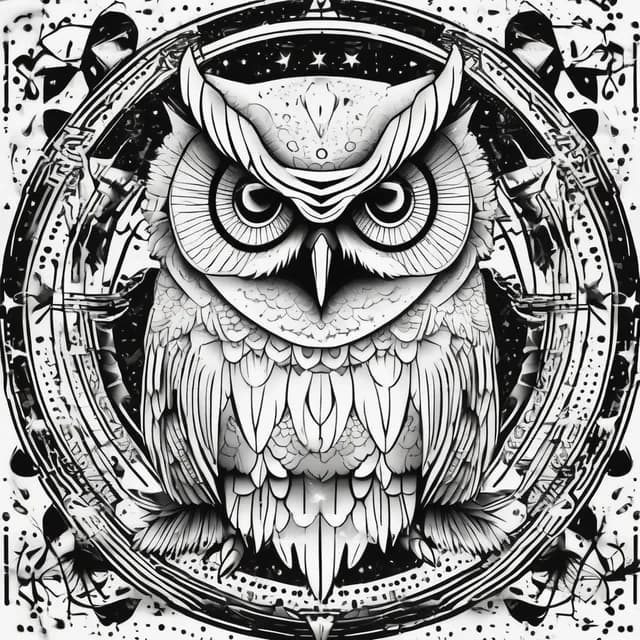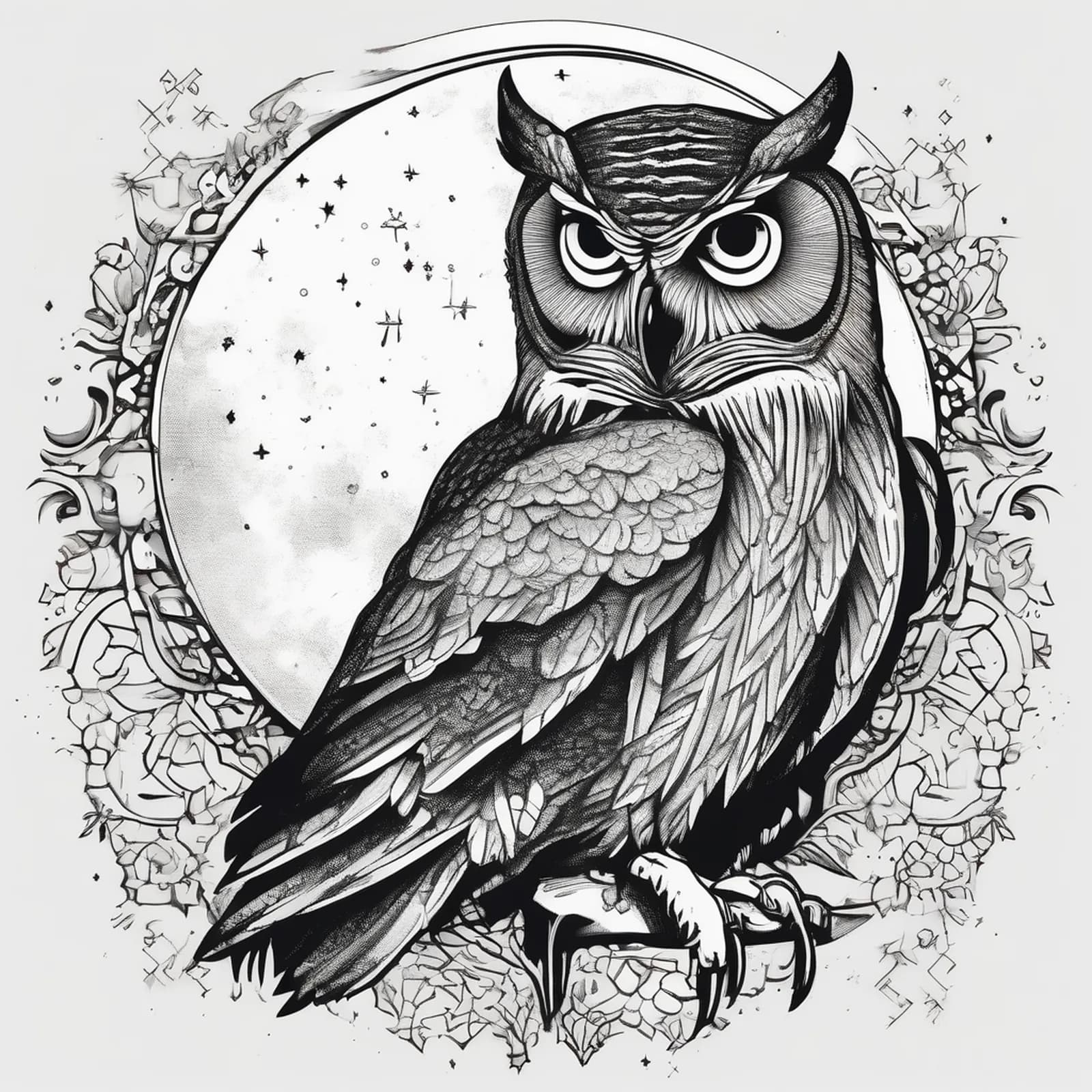
Digitally created design visual. Your tattoo is drawn and adapted to your body by the artist.
Owl With Moon Phases: Dotwork Spine Tattoo in Istanbul
Every piece is quoted individually — the price depends on size, detail and how many sessions it needs. Tell us what you want included and we come back with one all-inclusive figure.
About this design
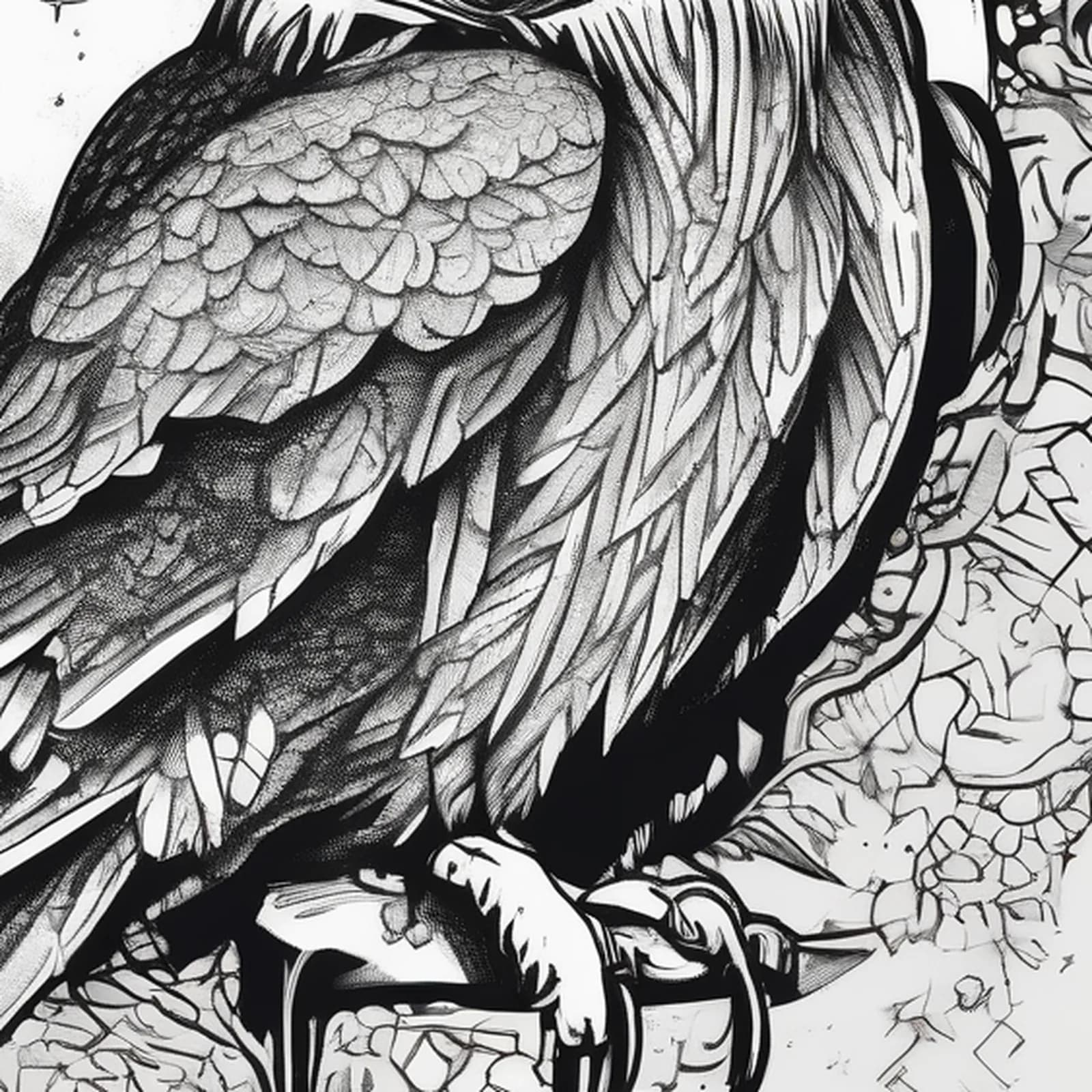
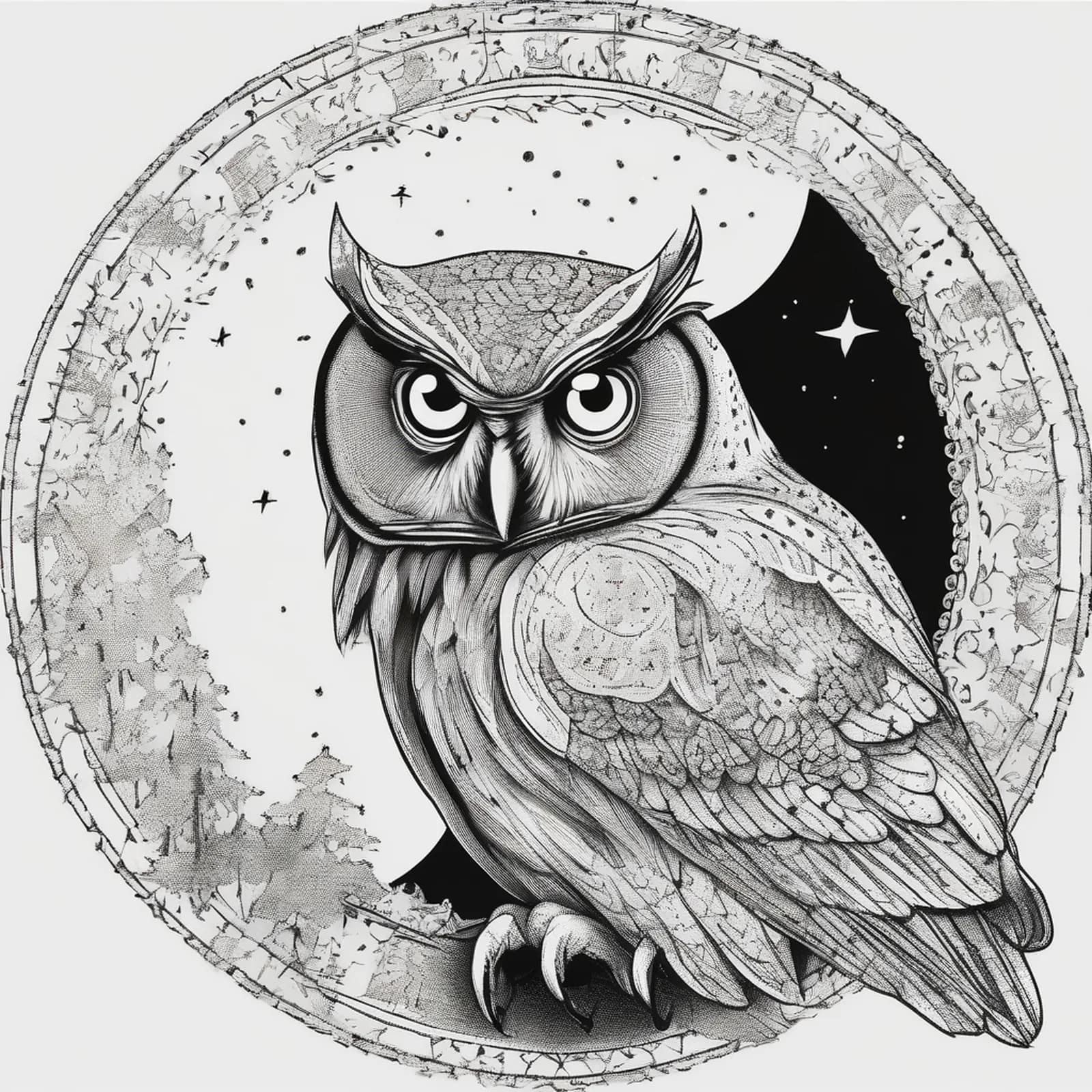
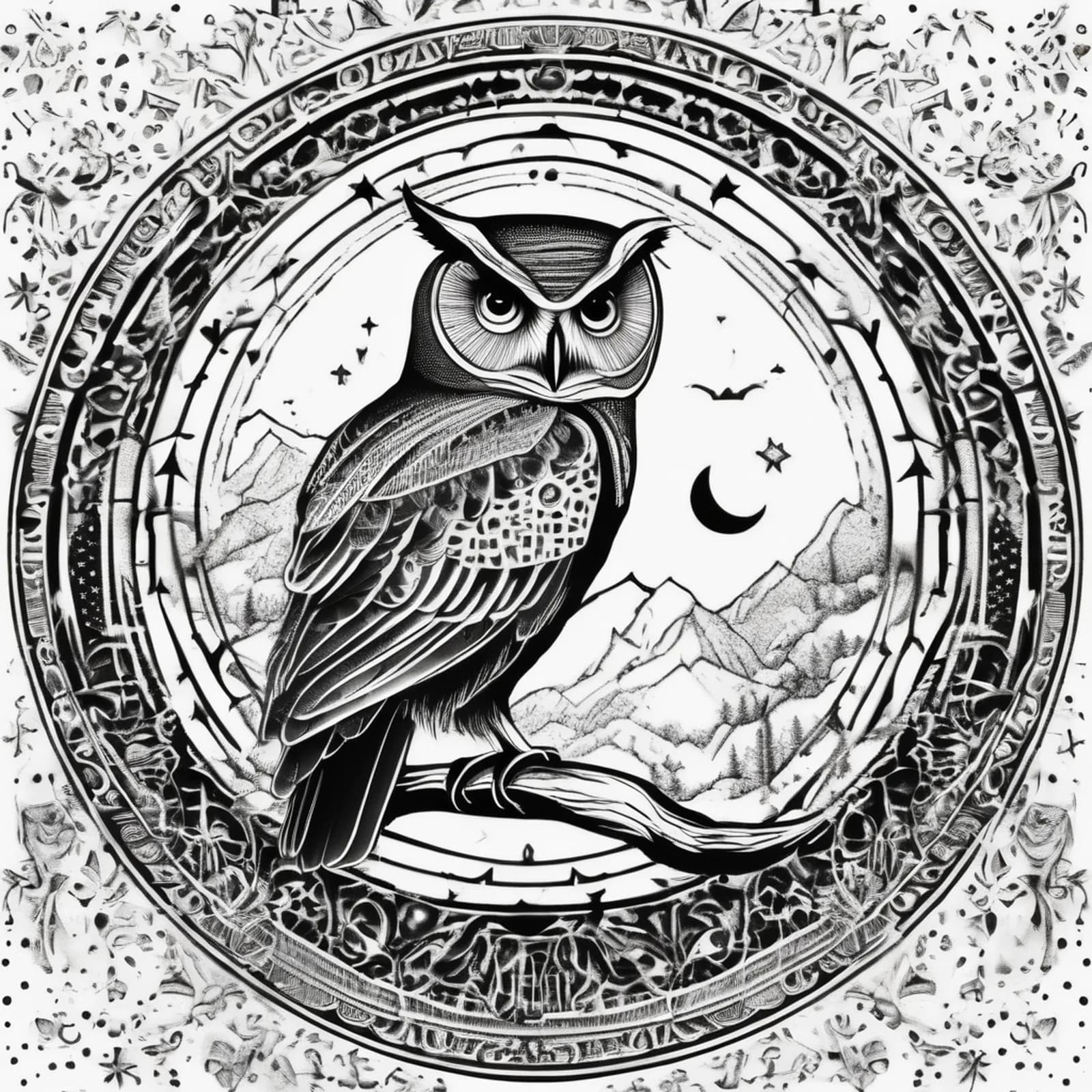
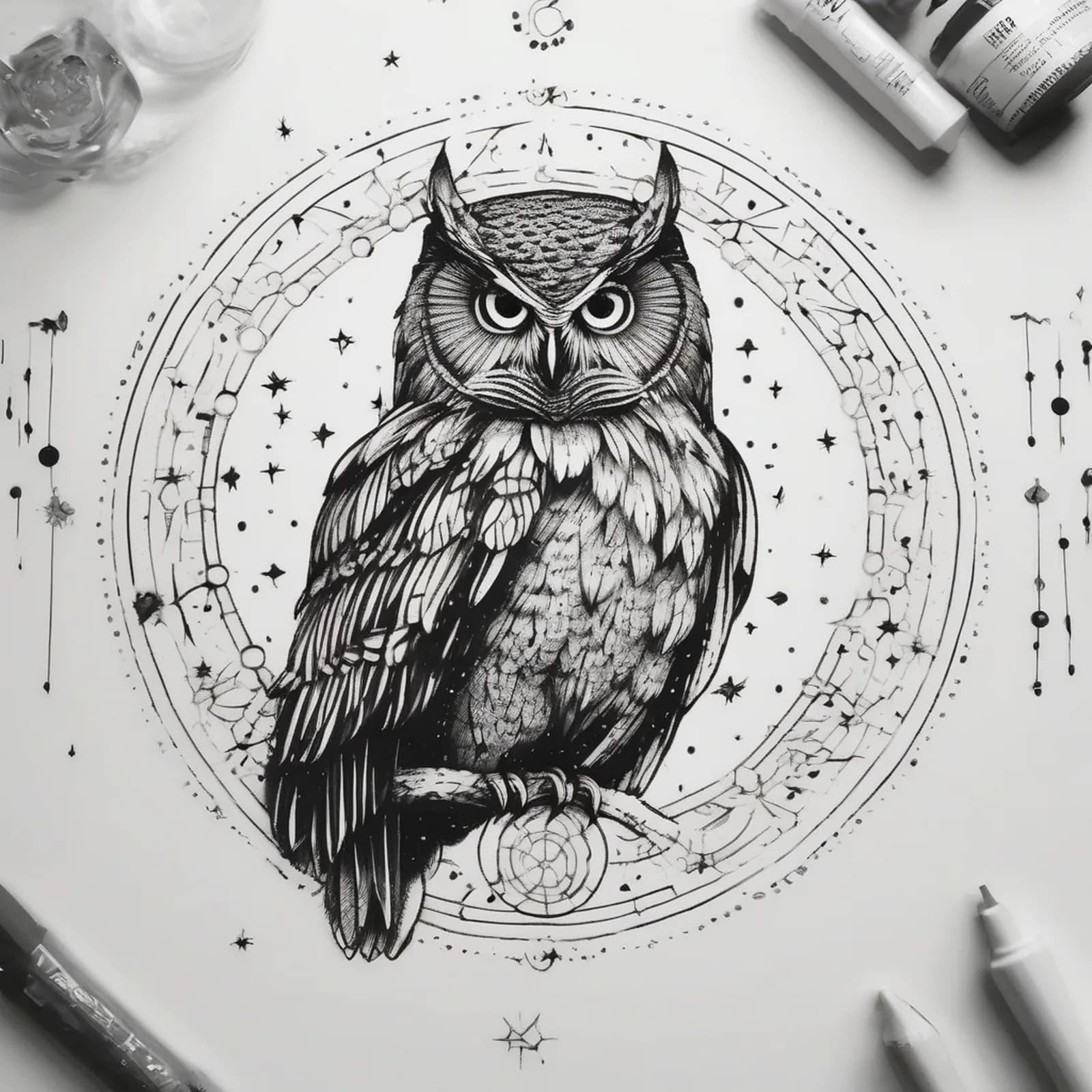
This owl with moon phases is not just a tattoo—it’s a constellation of stillness and change. Rendered in precise dotwork, the design maps the moon’s shifting face across the bird’s wingspan, each phase marked with subtle density. The owl’s gaze is steady, its feathers built from thousands of dots that form a quiet, intricate rhythm. This piece speaks to introspection, cycles, and the hidden patterns in life. Its placement along the spine makes it a living map of personal transformation.
What's in the drawing
The owl’s body follows the spine’s natural curve, its wings stretching slightly wider at the shoulder blades. Each moon phase is drawn as a distinct crescent or full circle, etched with consistent dot density that varies to suggest light and shadow. Stars are scattered in negative space between the feathers, placed irregularly to mimic a real night sky. The dotwork is tight but not uniform—some areas use clustered dots to form depth, others remain sparse for breath. The eye is a single, sharp dot, drawing focus without disruption. The composition moves from the lower back upward, guiding the eye like a slow breath.
Meaning & symbolism
The owl has long been a symbol of wisdom, intuition, and night vision across cultures—especially in Greek mythology, where it was sacred to Athena. The moon phases represent transformation, cycles, and the quiet rhythm of time. In many traditions, the moon is linked to feminine energy, change, and emotional depth. Together, the owl and moon phases form a visual metaphor for inner knowing—how clarity emerges through darkness, and how life evolves in patterns not always visible. This design honors the idea that growth happens in phases, not in straight lines.
Who this piece is for
This piece is for those who value depth, symbolism, and a bold, personal statement. It’s not ideal for first-timers or those averse to high pain. The spine is visible in low-back tops or open-back clothing, so it suits people comfortable with visibility. It’s best for those who work in creative, expressive, or flexible environments where such tattoos are accepted. It’s not suited for those who need full coverage in conservative workplaces.
How it sits on the body
On the spine, the design aligns with the natural arch of the vertebrae, flowing with the body’s movement. The wings curve slightly around the spine’s curve, allowing the lower back to remain flexible. When seated, the tattoo remains intact and centered. The design wraps around the spine’s midpoint, avoiding the lower tailbone where motion can distort detail. It works best with the body upright, and the dotwork holds up well to stretching.
How the sessions work
Session 1: Outline and base dots from the lower back to mid-spine, establishing form and moon phase placement. Session 2: Build depth in the wings and feather texture, layering dots to create shadow and dimension. Session 3: Final details—refine the moon phases, add star accents, and smooth transitions. Each session is spaced 7–10 days apart to allow for healing and prevent overstimulation.
Getting it done on an Istanbul trip
With 3 sessions totaling 10 hours, this tattoo fits perfectly into a 4 nights trip to Istanbul. The city’s central studios in Kadikoy and Beyoglu are easily accessible from both IST and SAW airports. You can arrive on day one, begin work on day two, and leave after the final session with a healing tattoo. The city’s mild climate and access to quiet, private studios make it ideal for a process that requires focus and rest. No sea or pool exposure during healing is needed, and loose clothing can be worn on the flight home.
Aftercare for this piece
For the first 14 days, cleanse the tattoo twice daily with a mild, fragrance-free cleanser and pat dry. Apply a thin layer of a non-comedogenic ointment only once a day to prevent clogging. Avoid direct sunlight, especially during midday, and wear loose, breathable clothing over the area. Do not submerge in pools, hot tubs, or the sea until fully healed. On the flight home, keep the tattoo covered with a soft, non-adhesive bandage or loose shirt to prevent friction. Avoid heavy lifting or tight clothing for the first two weeks to reduce irritation.
Sizes, placements and variations
Smaller versions (15–20 cm) work well on the forearm or shoulder, maintaining clarity. In blackwork or neo-traditional styles, the owl can be bolder. The moon phases can be paired with a zodiac sign or constellation line. For a more intimate piece, the design can be placed on the ribcage or between the shoulder blades. It pairs well with a single star or a small constellation in the same dotwork style.
Frequently asked questions
How does a dotwork owl with moon phases look on the spine?
The owl flows along the spine’s natural curve, with its wings extending slightly from the mid-back. Moon phases are etched into the feathers and wing edges, each marked by subtle dot density. Stars are scattered in negative space, creating a night sky effect. The design is intricate but balanced, following the body’s form without strain.
How does a dotwork owl tattoo age on the spine?
Dotwork ages well on the spine—less stretch than on limbs, and the skin remains taut. The fine dots retain their shape over time, especially with proper care. The moon phases and star placements stay distinct, as the technique avoids harsh lines that blur. With minimal sun exposure, the tattoo maintains clarity for decades.
How does the moon phase motif enhance a dotwork owl design?
The moon phases add narrative depth, turning the owl from a static symbol into a story of time and change. Each phase is rendered through dot density, creating subtle shifts in tone. This layer of meaning complements the owl’s role as a guide through darkness, emphasizing cycles, intuition, and the quiet passage of time.
What makes a spine tattoo with moon phases suitable for a 3-session process?
The spine offers a stable, continuous canvas ideal for detailed dotwork. The 25–40 cm size allows for full coverage without overcrowding. Three sessions give enough time to build depth, maintain precision, and allow healing between sessions. The design’s complexity demands this pacing to avoid fatigue and ensure quality.
Can I travel home after my final session in Istanbul?
Yes, after the final session, you can travel home. The surface will be healed in 14 days, so flying is safe if you avoid direct sun and wear loose clothing. No swimming or soaking is allowed during healing. The studio will provide aftercare guidance, and you’ll have 12 weeks to complete full recovery.
How does Istanbul’s location help with healing during the trip?
Istanbul’s central position between Europe and Asia makes travel easy, with direct flights from major cities. The city’s mild climate and access to quiet studios support a healing-focused trip. You can rest between sessions in a private hotel, avoid sun exposure, and wear loose clothes on the flight home—ideal for a sensitive, large spine tattoo.