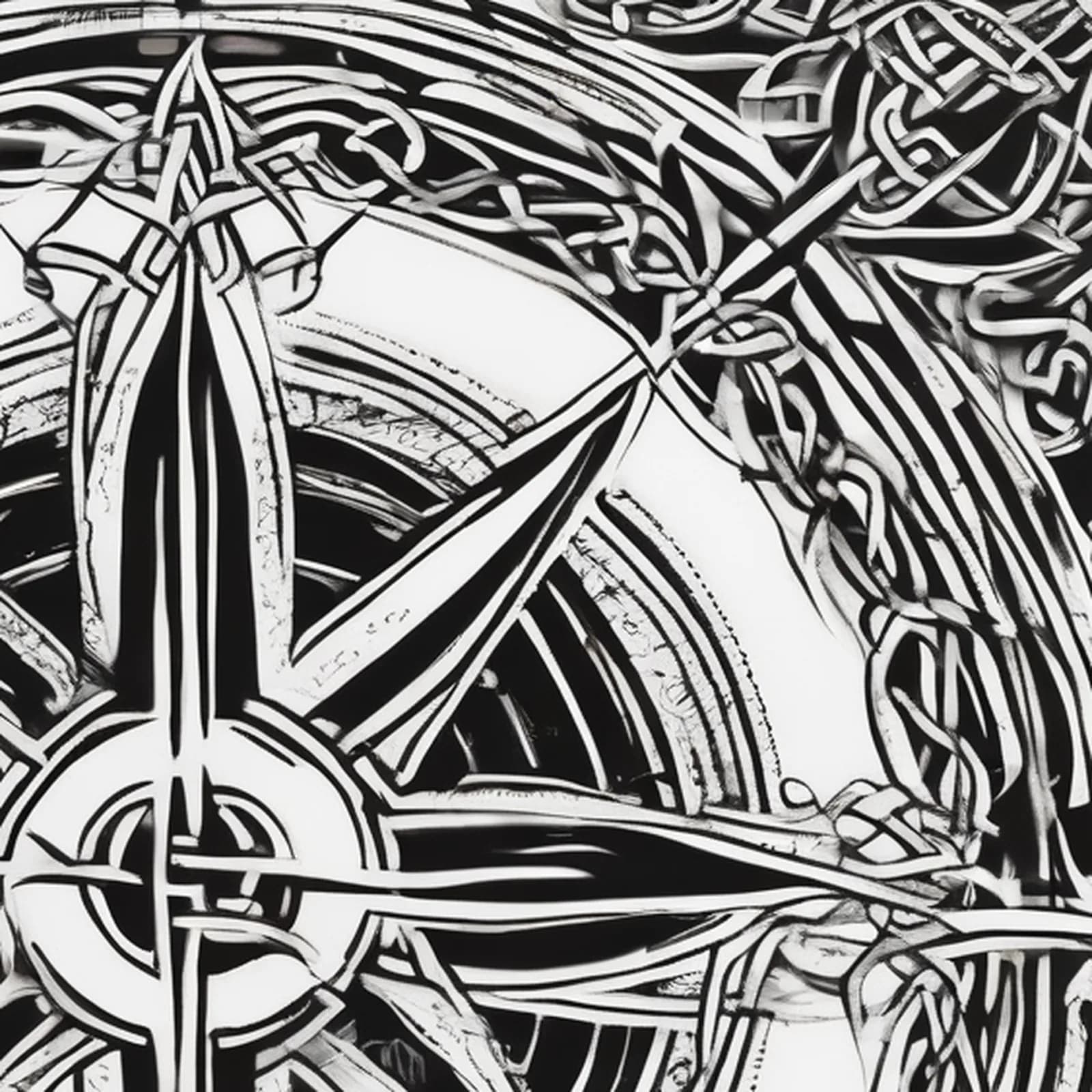
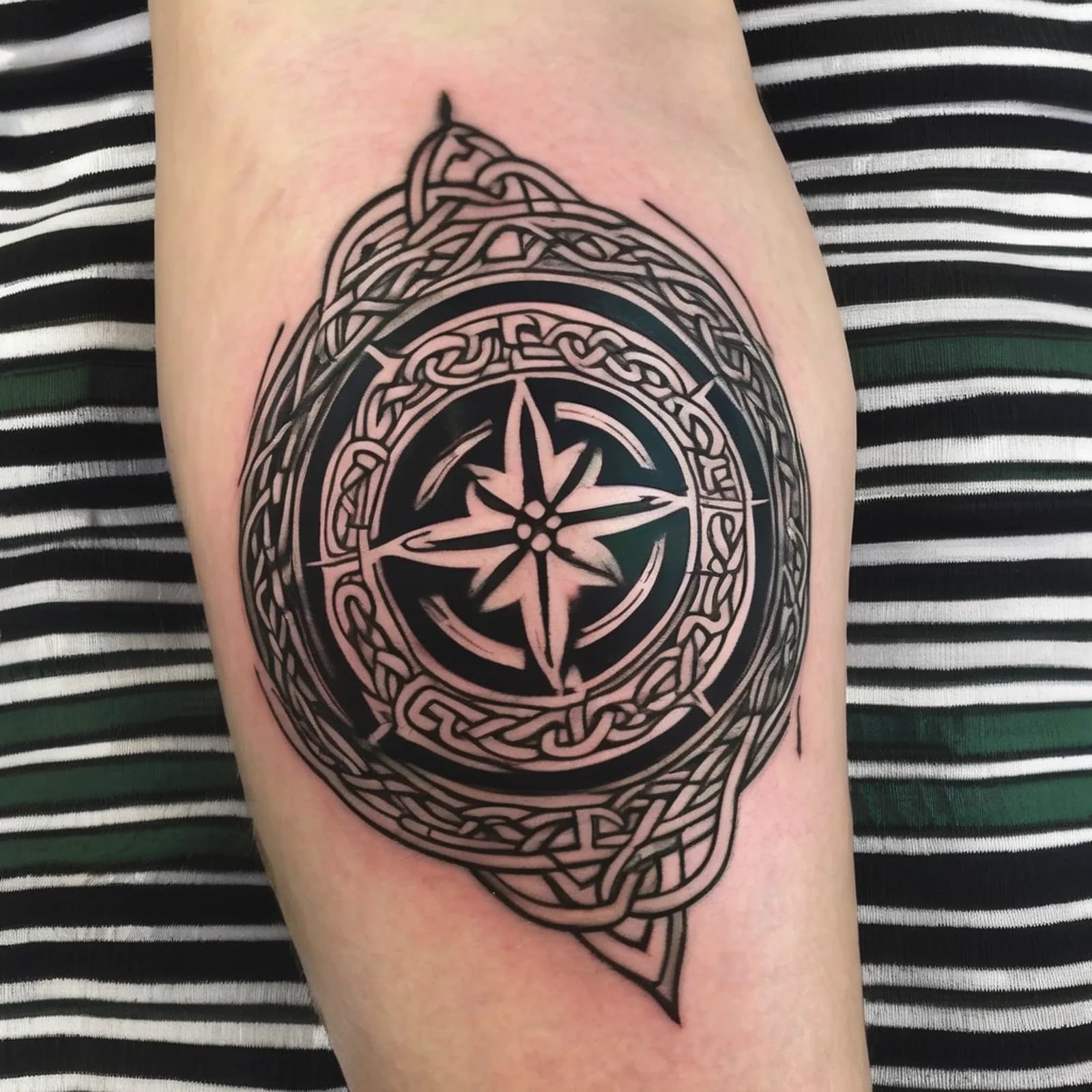
Digitally created design visual. Your tattoo is drawn and adapted to your body by the artist.
Celtic Knot Compass Tattoo on Shoulder
Every piece is quoted individually — the price depends on size, detail and how many sessions it needs. Tell us what you want included and we come back with one all-inclusive figure.
About this design
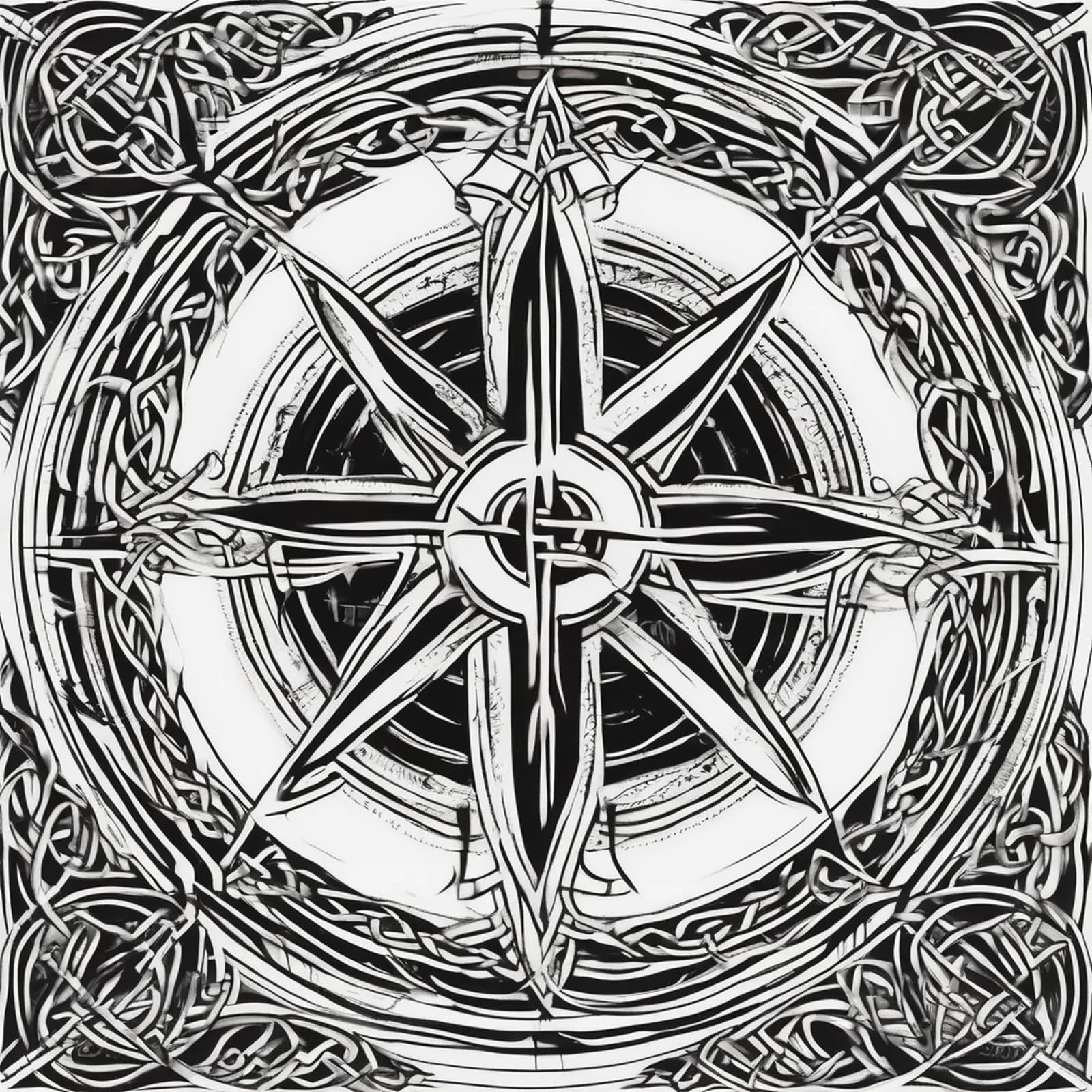
This Celtic knot compass is a precise fusion of ancient tradition and intentional design. The knotwork ring measures 18 cm, with each strand interlaced at exact 90-degree angles to form a perfect compass rose. The four cardinal points are defined by slightly thicker lines, not symbols, maintaining authenticity. The design wraps from the upper arm to the collarbone, following the shoulder's natural curve. It’s not just a tattoo—it’s a wearable map of continuity and direction.
What's in the drawing
The knotwork ring is 18 cm in diameter, constructed with consistent line weight and interlaced strands that never cross over themselves. Each of the four cardinal points is emphasized by a slightly thicker strand, forming subtle geometric bends that guide the eye without breaking the flow. The negative space between the knots is carefully preserved, creating a rhythm that feels both balanced and dynamic. The design wraps from the outer shoulder down to the collarbone, following the deltoid muscle’s contour. The interlacing is tight but never crowded, allowing the eye to trace the path without strain.
Meaning & symbolism
Celtic knotwork symbolizes eternity, interconnectedness, and the unbroken cycle of life. The compass, while not a traditional Celtic symbol, is interpreted here as a metaphor for personal journey and inner direction. The knotwork ring encloses the idea of perpetual motion—like the compass itself, always turning. This design reflects a belief in balance: direction is not found in a fixed point, but in the path taken. It draws from the ancient notion that meaning lies in the journey, not the destination. The interlacing represents the connection between past, present, and future.
Who this piece is for
This piece suits those with a deep appreciation for heritage, travel, or personal transformation. It’s not for first-timers seeking a small, simple design. It works well under long sleeves or light fabrics, so visibility at work is minimal. It’s ideal for someone who values craftsmanship and wants a tattoo that feels intentional, not trend-driven.
How it sits on the body
On the shoulder, the design follows the natural curve of the deltoid muscle. The knotwork ring flows from the outer edge of the shoulder down toward the collarbone, wrapping around the upper arm. When the arm moves, the knots shift subtly, maintaining their integrity. The placement allows the design to be seen in profile or when lifting the arm, enhancing its symbolic presence. The shoulder's stable skin tone helps preserve line clarity over time.
How the sessions work
Session 1 (2.5 hours): The artist begins by outlining the full knotwork ring, ensuring symmetry and alignment with the shoulder's curve. The interlacing is mapped step by step, with attention to consistent spacing and angle. The cardinal points are marked with temporary lines for reference. Session 2 (2.5 hours): The artist refines the inner flow, deepens the lines, and finalizes the compass points. The entire piece is checked for continuity and balance, with minor adjustments made to maintain visual harmony.
Getting it done on an Istanbul trip
With 3 nights in Istanbul, you’ll complete two sessions spaced across your stay—ideal for healing between sessions. The city’s layout makes travel easy: studios in Kadikoy and Beyoglu are near the Bosphorus, offering views during breaks. The climate is mild during healing, and you can walk to studios without long commutes. No sea or pool contact during healing, but you’ll stay in a quiet hotel, ideal for rest. The shoulder’s stable skin tone helps preserve the design’s clarity.
Aftercare for this piece
Keep the tattoo out of direct sun and avoid swimming for 14 days. Wear loose clothing on the flight home. Apply ointment twice daily, gently, using clean fingers. Avoid scratching or peeling the skin. The shoulder is less prone to friction than the forearm, but avoid tight sleeves. Keep the area clean and dry. The healing process is complete in 12 weeks, with minimal fading. Avoid saunas, hot tubs, and excessive sweating during the first month to prevent infection and ink loss.
Sizes, placements and variations
Smaller versions (10–15 cm) work well on the upper arm or ribcage. A blackwork treatment adds contrast and depth, while a single-color ink preserves the traditional feel. This design pairs beautifully with a small Celtic spiral on the wrist or a wave motif on the back. The knotwork ring also complements tribal or nature-inspired pieces. For a bolder look, consider a double-ring version with a second layer of interlacing.
Frequently asked questions
How does a Celtic knot compass tattoo age on the shoulder?
The shoulder’s consistent skin tone and moderate movement help preserve the knotwork’s clarity. The design follows the natural curve, reducing stretching. The interlacing remains intact over time, and with proper aftercare, the lines stay sharp and the flow uninterrupted. The shoulder is less exposed to friction than other areas, aiding long-term retention.
What makes a Celtic knot compass different from a regular compass tattoo?
A Celtic knot compass uses interlaced strands instead of symbols. It embodies eternity through continuous loops, not directional markers. The knotwork ring replaces the standard compass rose, making it a symbolic, not literal, guide. The design reflects the idea that direction is found in the journey, not just the destination. The interlacing symbolizes connection, continuity, and the unbroken cycle of life.
Why choose a knotwork ring for a compass design?
The knotwork ring represents endless cycles—like the compass itself, always turning. The interlacing symbolizes connection, continuity, and the idea that direction is found in the journey, not just the destination. It draws from the ancient belief that meaning lies in the path taken, not the endpoint. The ring encloses the idea of perpetual motion and balance.
How does a Celtic knot compass tattoo feel during the session?
The shoulder has moderate nerve density. At 4/10 pain, it’s manageable. The artist works in stages, allowing breaks. The knotwork’s steady rhythm helps distract from discomfort, and the two-session plan reduces fatigue. The design’s symmetry and flow help maintain focus during the process.
Can I swim after getting a Celtic knot compass tattoo in Istanbul?
No. Avoid sea or pool water for 14 days. The shoulder is exposed, so direct sun and saltwater can irritate the healing skin. Stick to showers and keep the area covered during the first two weeks. Avoid saunas and hot tubs during the first month to prevent infection and fading.
What should I pack for my tattoo trip to Istanbul?
Bring loose clothing for flights and healing. A hat or scarf helps shield the shoulder from sun. Avoid tight sleeves. Keep the aftercare ointment in your carry-on. The city is walkable, so comfortable shoes help during studio visits. Pack a small mirror to check the tattoo’s healing progress in private.