Digitally created design visual. Your tattoo is drawn and adapted to your body by the artist.
Stained Glass Dragon Tattoo on the Back
Every piece is quoted individually — the price depends on size, detail and how many sessions it needs. Tell us what you want included and we come back with one all-inclusive figure.
About this design
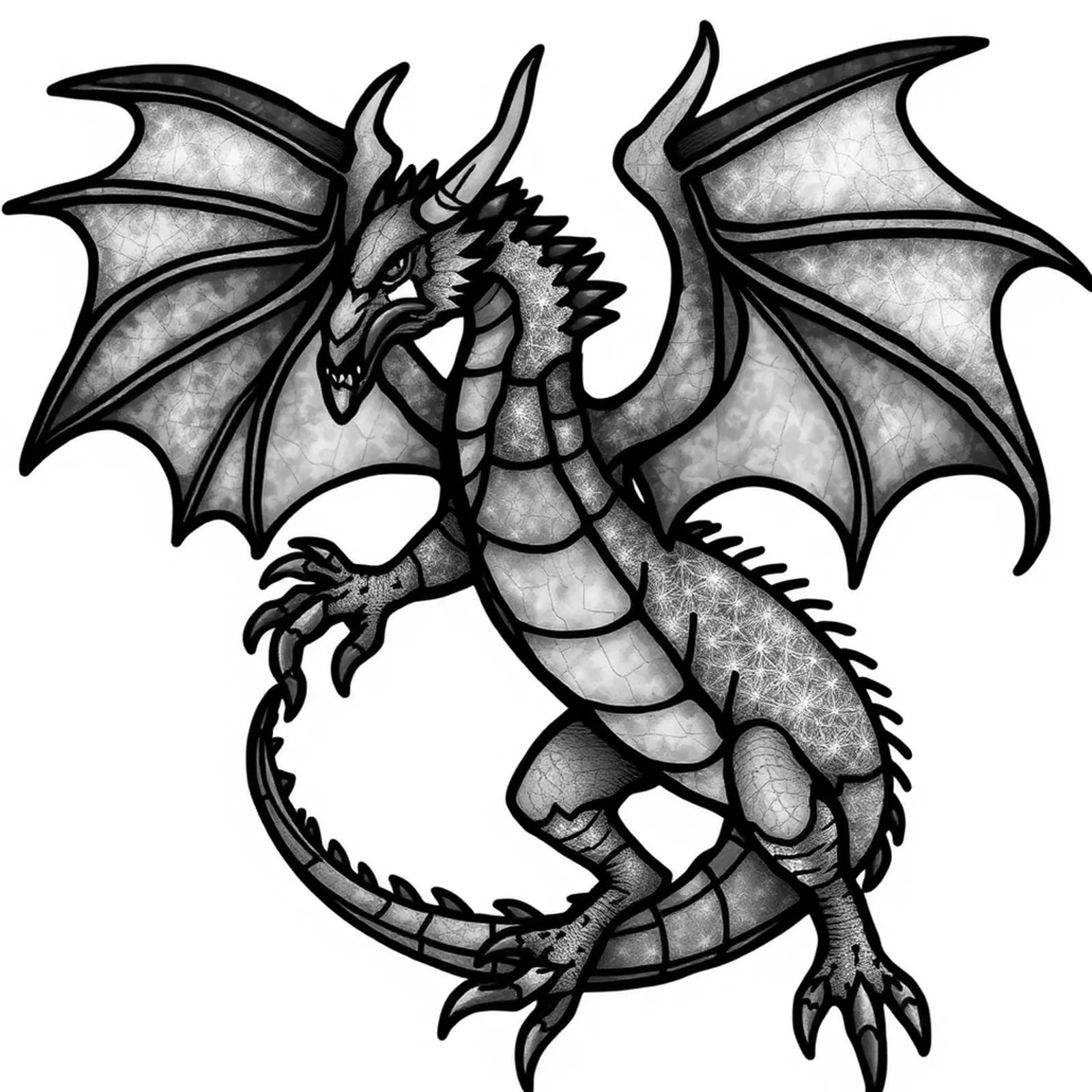
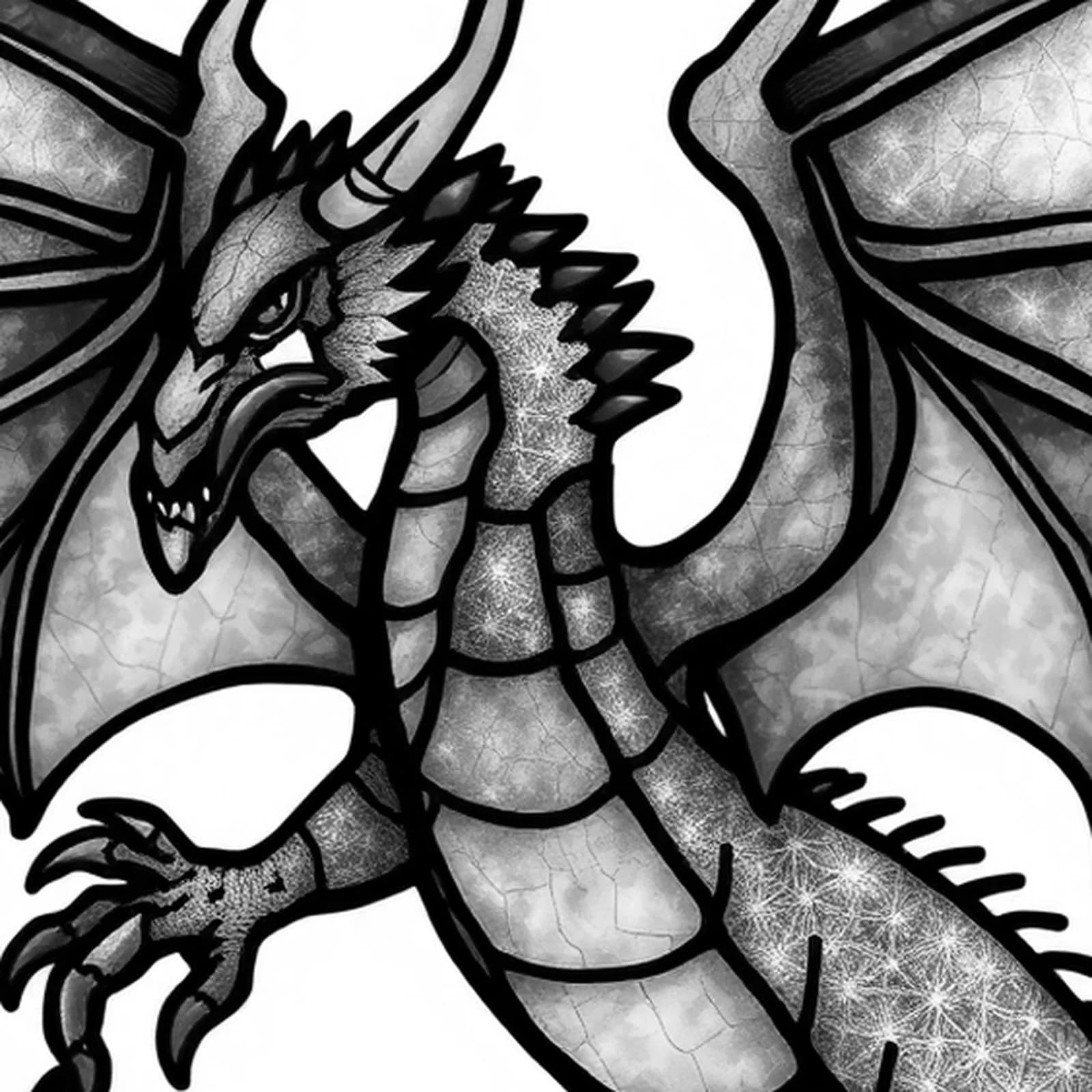
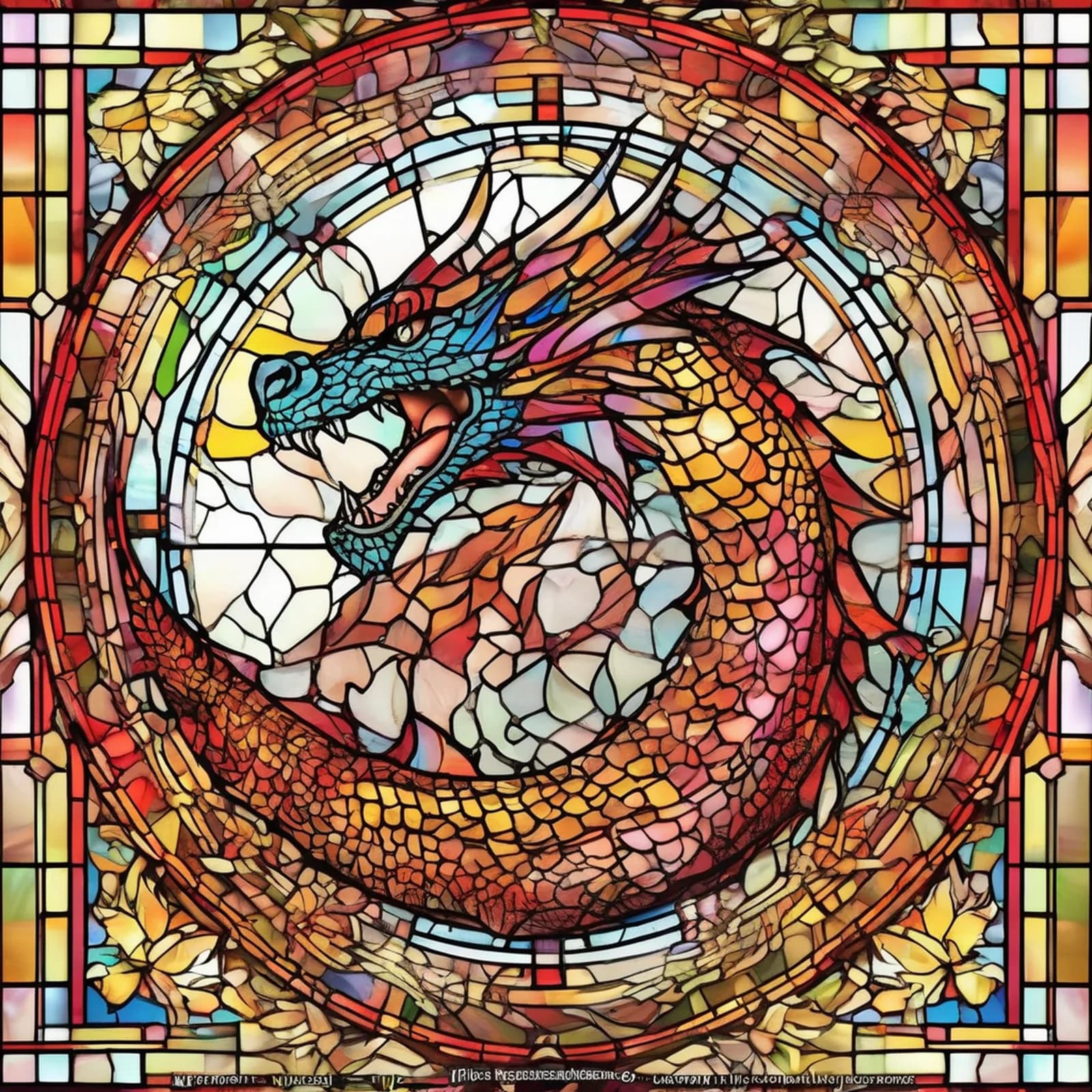
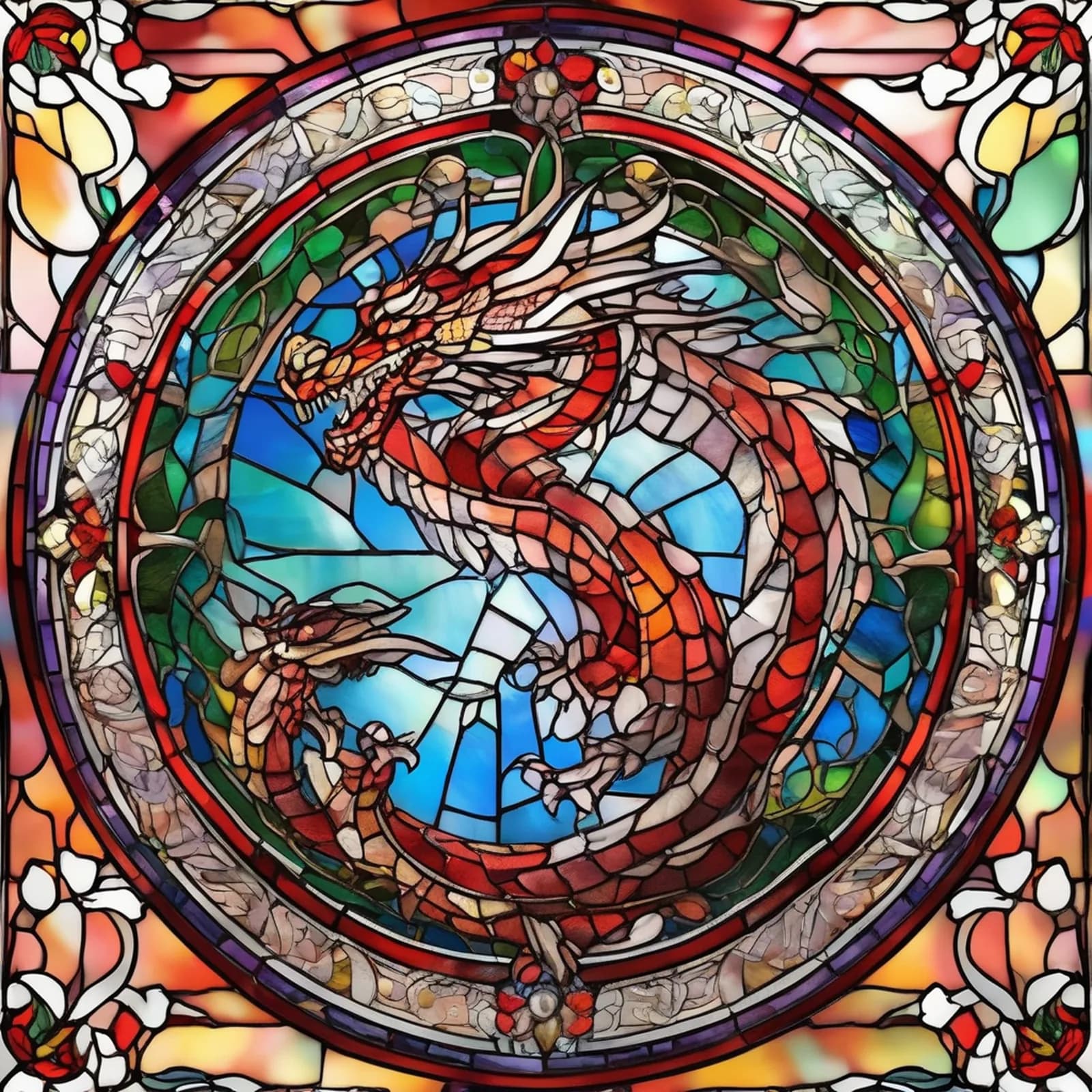
This stained glass dragon tattoo transforms the back into a radiant cathedral window. Each panel is rendered with sharp, lead-lined edges that mimic real stained glass, creating a mosaic of vibrant, translucent color. The design flows across the upper back, following the natural curve of the spine and flaring into the shoulder blades, making it a focal point of both power and artistry. It’s not just ink—it’s light captured in motion.
What's in the drawing
The dragon is composed of 14 distinct glass panels, each with a unique shape and color gradient—deep cobalt at the base, shifting to amber at the wingtips. The lead lines are thick and slightly textured, mimicking hand-crafted metalwork, with intentional variations in width to suggest age and authenticity. The central spine is a continuous line of lead, branching into the tail and wings, creating a structural backbone. Negative space between panels is precise, enhancing the illusion of light passing through. The eyes are two hexagonal shards, each filled with a gradient from gold to violet, catching the light even in low settings.
Meaning & symbolism
While dragons in European folklore often symbolize chaos or guardianship, this stained glass interpretation draws from medieval cathedral art, where glass was believed to channel divine light. The fragmented form reflects the idea of beauty emerging from brokenness. The lead lines, historically used to bind glass, symbolize resilience and structure. Though not rooted in any specific cultural tradition, the piece evokes the craftsmanship of Gothic art, where each piece was both decorative and sacred. The use of colored glass in religious contexts often represented spiritual truths—here, the dragon becomes a symbol of inner transformation, its fractured form a metaphor for renewal through challenge.
Who this piece is for
This piece is ideal for someone who values bold, artistic statements and isn’t afraid of visibility. It suits those with a high tolerance for moderate pain and a commitment to a multi-session process. Not for first-timers seeking subtle ink—this is a statement piece meant to be seen. It’s suitable for office settings if covered by loose-fitting tops, but shines in casual or creative environments.
How it sits on the body
The back provides a wide, stable canvas where the dragon’s wings can extend naturally from the shoulder blades to the lower spine. The design follows the curve of the scapulae, avoiding tension points. As you raise your arms, the glass panels shift slightly, revealing new angles of light and shadow. The tail wraps gently around the lumbar curve, maintaining symmetry and flow without strain during movement. The central spine aligns with the vertebral column, ensuring the piece remains balanced even when the body bends.
How the sessions work
Session 1 (3.5 hours): precise outlining of all 14 glass panels and lead lines using a fine needle, ensuring clean, consistent spacing. Session 2 (3.5 hours): layering base colors with soft gradients, starting from the spine outward, and building depth in the wings. Session 3 (3 hours): refining highlights, adjusting color transitions, adding subtle texture to the lead lines, and finalizing the eye facets for maximum luminosity.
Getting it done on an Istanbul trip
With three sessions totaling 10 hours, this design fits perfectly into a 4 nights trip to Istanbul. Studios in Kadikoy and Beyoglu offer quiet, climate-controlled spaces ideal for healing between sessions. The city’s two international airports—IST and SAW—make arrival and departure seamless. You can schedule sessions on consecutive days, with recovery time built into the itinerary. Healing is manageable on the flight home, especially with loose clothing and sun protection. The studio will provide a healing wrap and aftercare kit, and many offer post-session rest periods with tea and quiet space to reduce stress and support recovery.
Aftercare for this piece
Keep the tattoo out of direct sunlight and avoid pools or sea water for 14 days. Use a fragrance-free moisturizer twice daily. On your flight home, wear a loose shirt or cover with a light fabric to prevent rubbing. Avoid tight luggage or pressure on the back. The full healing process takes 12 weeks, during which the colors will settle and the glass effect will deepen.
Sizes, placements and variations
Smaller versions (15–20 cm) work well on the upper back or shoulder, with simplified paneling and fewer lead lines. Larger formats (40 cm) can extend to the lower back for greater impact. Colored glass can be adapted into blackwork with lead lines for a more dramatic contrast. This design pairs beautifully with a celestial motif on the opposite side of the back, creating a balanced, symmetrical gallery. A single glass panel dragon could also be placed on the chest as a standalone piece.
Frequently asked questions
How does a stained glass dragon tattoo age on the back?
The lead lines remain sharp over time, preserving the structure. Color shifts are minimal if protected from direct sun. The glass-like effect stays vivid with proper aftercare and avoids prolonged UV exposure. The texture of the lead lines adds depth that enhances with age, making the tattoo more intricate over time.
What makes a lead line dragon different from a standard dragon tattoo?
Lead lines create a distinct, architectural frame around each glass panel, giving the design a mosaic quality. Unlike solid outlines, they suggest transparency and layered depth, making the tattoo appear to glow from within. The variation in line width and texture mimics hand-crafted metalwork, adding authenticity and dimension.
How does a stained glass dragon look on the back compared to other placements?
The back’s broad surface allows the dragon’s wings to fully spread, following the natural curve of the spine. It flows with movement, unlike placements on the forearm or calf, which are more constrained by anatomy. The design maintains symmetry and visual impact even when viewed from different angles.
Is a 25–40 cm stained glass dragon tattoo painful on the back?
Pain is moderate (6/10), mainly during the first session when the skin is more sensitive. The back has less nerve density than areas like the ribs or spine, so discomfort is manageable, especially with proper session spacing. The texture of the lead lines adds slight pressure, but the overall sensation is consistent and predictable.
Can I fly home after the third session in Istanbul?
Yes, the surface heals in 14 days. Flying home after the final session is safe if you wear loose clothing and avoid rubbing or pressure on the tattoo during the flight. Keep the area covered and protected from direct sun. The healing process continues safely during travel with proper care.
Why choose Istanbul for a stained glass dragon tattoo over a European studio?
Istanbul offers the same quality at a significantly lower cost. With a 4 nights trip, you save up to 70% compared to western Europe, plus gain access to studios with unique artistic traditions and healing-friendly environments. The city's infrastructure and studio clusters make scheduling seamless and recovery comfortable.