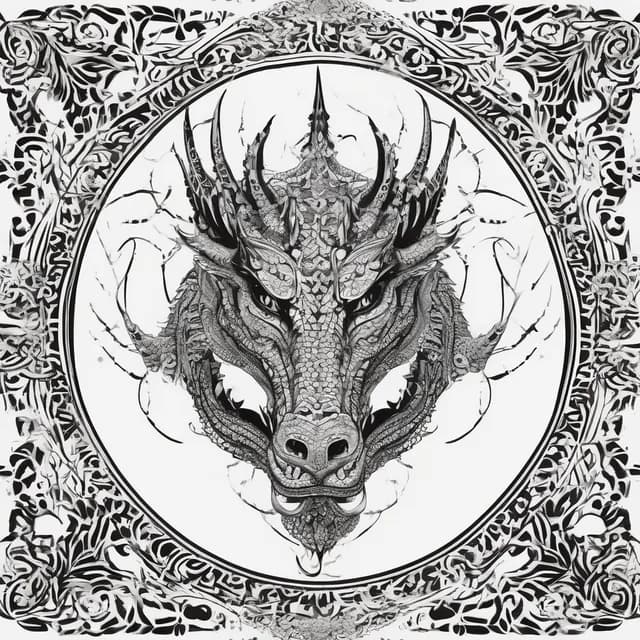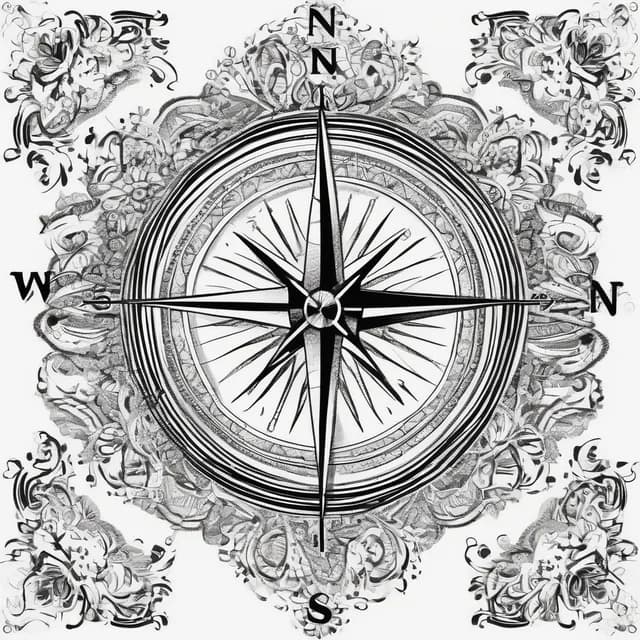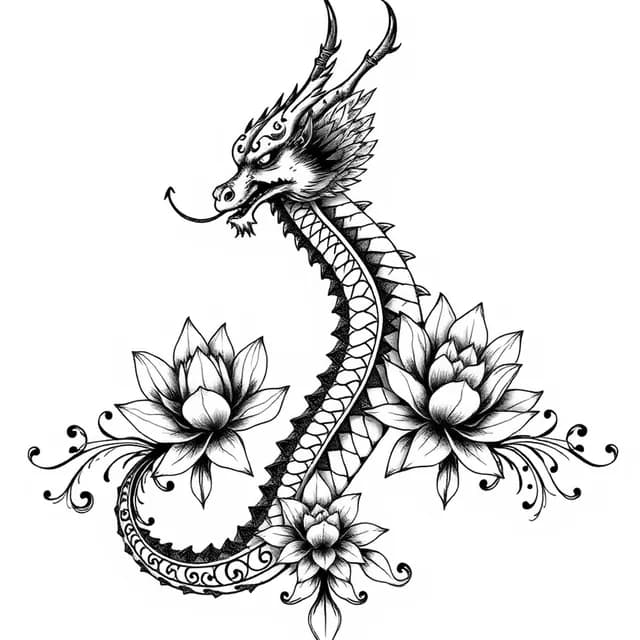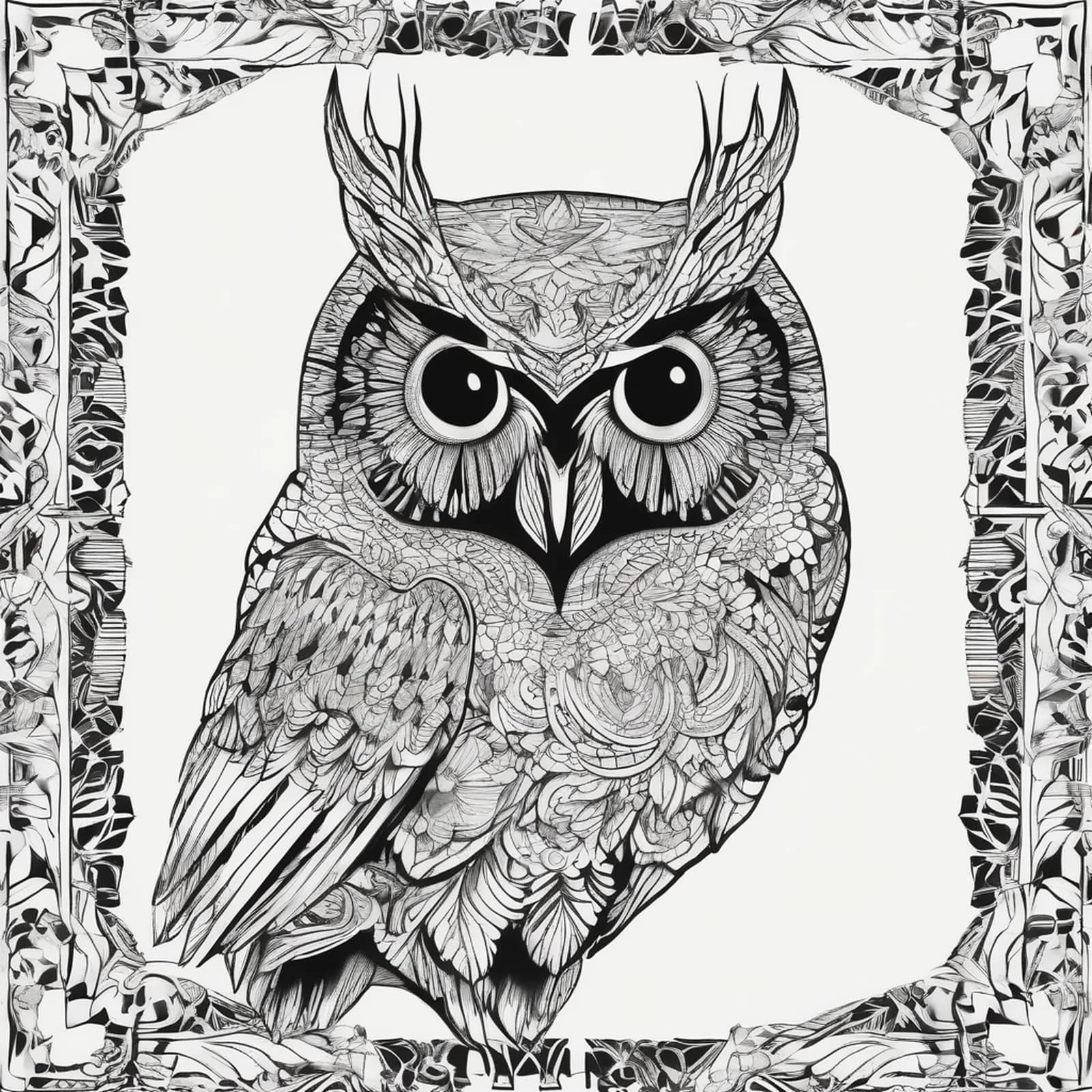
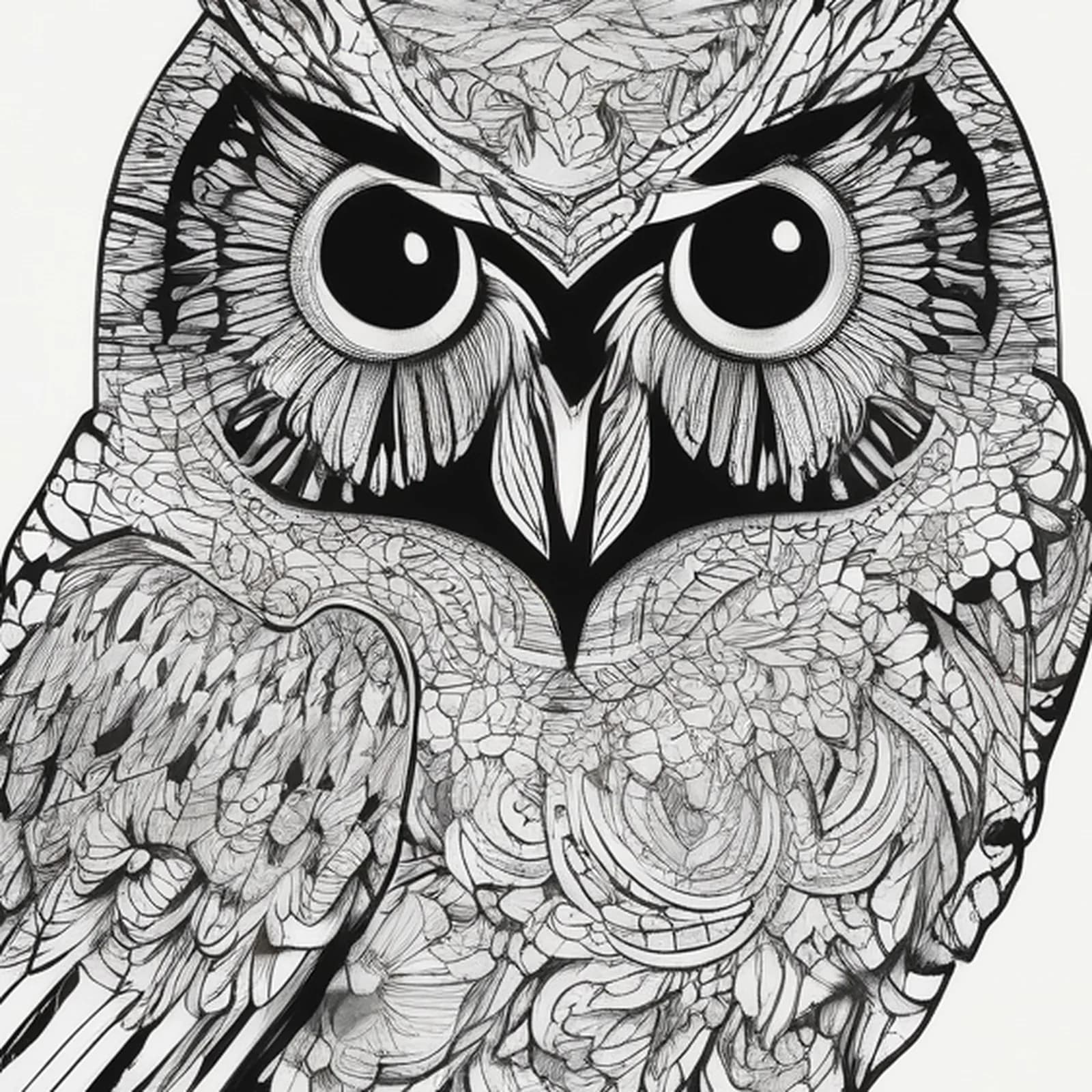
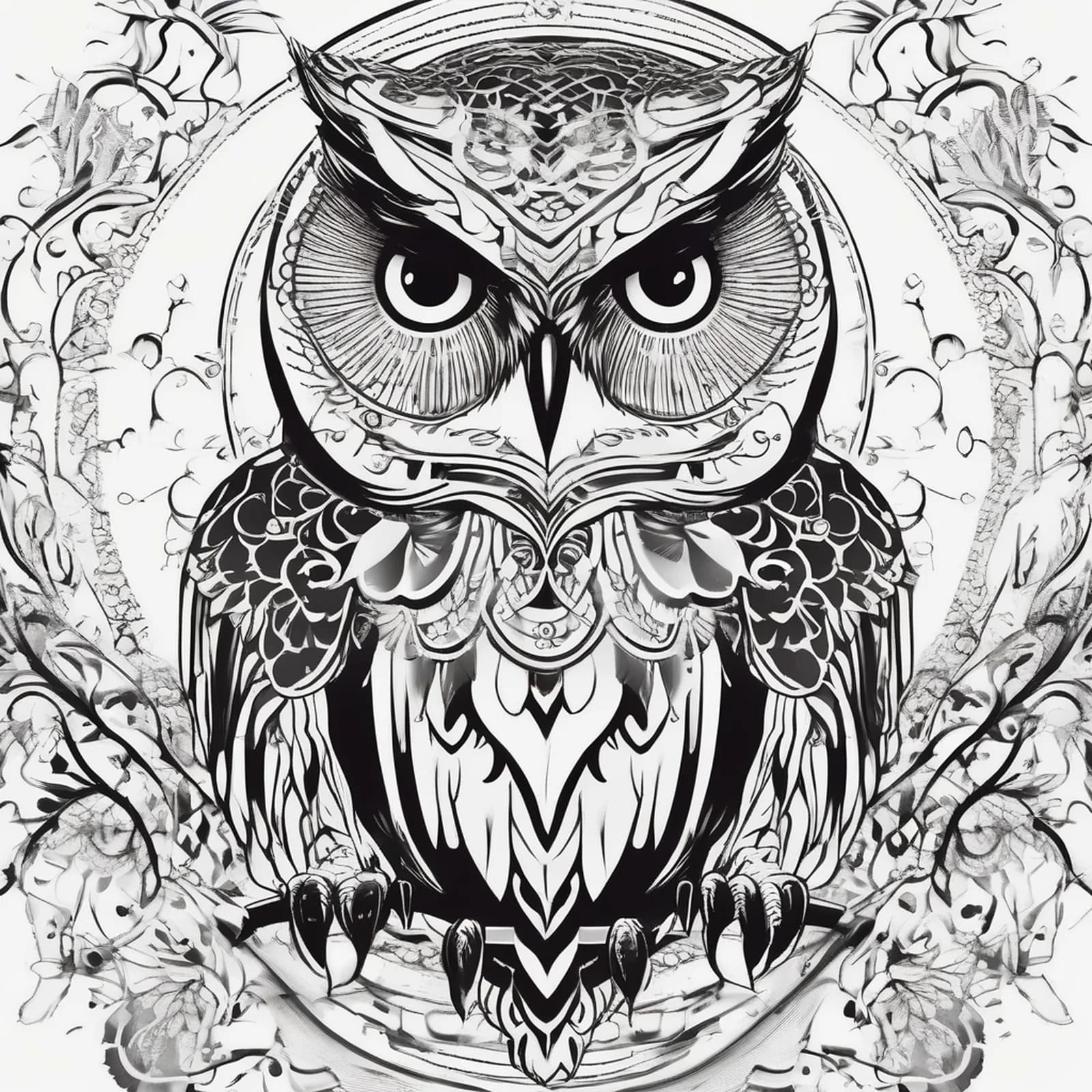
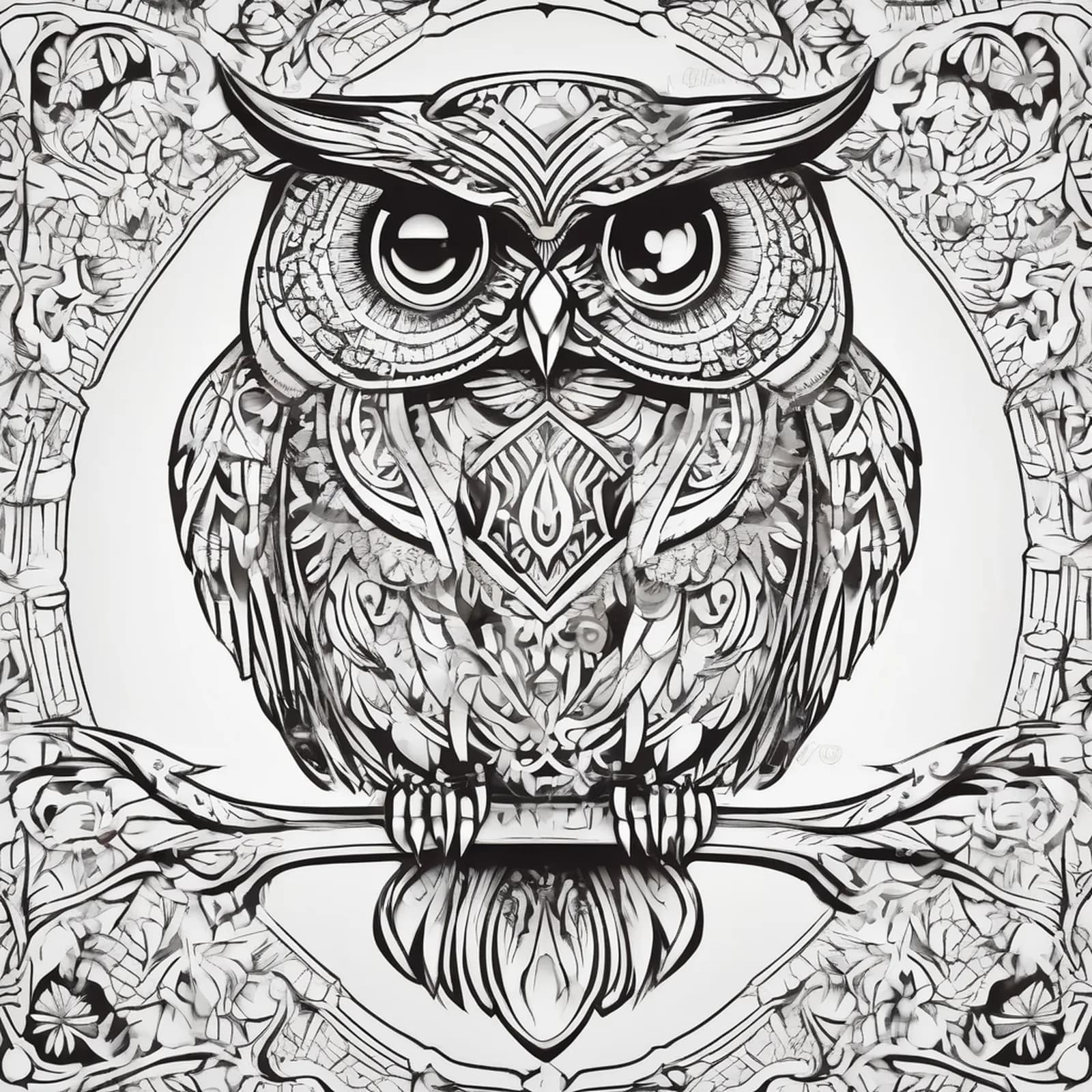
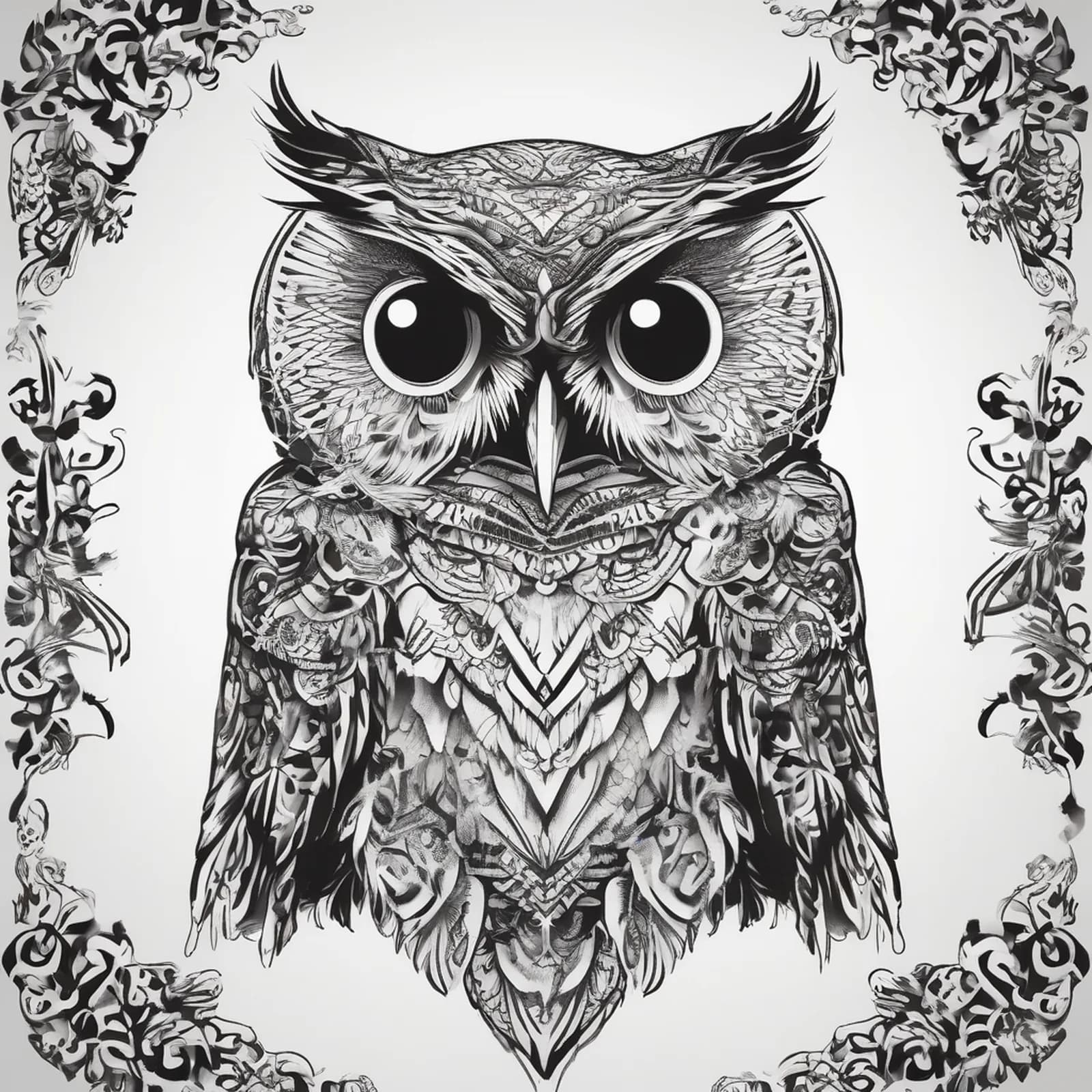
Digitally created design visual. Your tattoo is drawn and adapted to your body by the artist.
Ornamental Owl Knee Tattoo: Precision, Pattern, and Presence
Every piece is quoted individually — the price depends on size, detail and how many sessions it needs. Tell us what you want included and we come back with one all-inclusive figure.
About this design
This owl knee tattoo is not a silhouette—it’s a crafted radial composition where every feather and curve is embedded in a geometric rhythm. Designed to echo ancient ornamentation, it wraps around the knee’s natural contour with deliberate symmetry. The 15–25 cm scale ensures presence without overwhelming, making it ideal for a statement that respects the body’s architecture. It’s not just a tattoo; it’s a ritual of placement and form.
What's in the drawing
The owl’s form emerges from a central radial axis, with feather patterns radiating outward in concentric layers. Each line is consistent in weight, creating a sense of balance and movement. Negative space is used intentionally—feathers flow into open zones, allowing the skin to breathe between dense clusters. The eyes are sharp, stylized with no shading, relying on precise line work. The outer ring of the design incorporates subtle geometric breaks, suggesting a mandala-like structure. The eye travels from the center outward, then follows the knee’s bend when standing.
Meaning & symbolism
In Ottoman decorative traditions, birds within geometric frameworks symbolized spiritual insight and protection. This radial structure draws from that legacy, where symmetry reflects harmony and intention. The owl, often linked to wisdom in Greco-Roman and Anatolian folklore, is reimagined not as a creature of the night but as a guardian of stillness within motion. Positioned on the knee—a joint that transitions between standing and bending—it embodies awareness in action. The design’s precision mirrors the cultural value placed on craftsmanship in Istanbul’s artisanal history.
Who this piece is for
This piece suits those who value symbolic depth and intentional design. It’s not for first-timers seeking minimalism—this demands commitment and pain tolerance. The size and placement mean it’s visible in casual wear or shorts, so it’s best suited for those comfortable with public visibility. It’s not for those who need full coverage or fear discomfort during healing.
How it sits on the body
The knee’s curve allows the radial design to follow the joint’s natural flex. When standing, the owl’s wings align with the tibia’s line; when bending, the symmetry shifts slightly, creating dynamic movement. The outer ring wraps around the lower thigh, anchoring the piece. It’s best placed on the front or side of the knee, avoiding the highest-pressure area. The design flows with muscle movement without distortion.
How the sessions work
Session one begins with outlining the central owl and the first three radial layers, using a fine needle to ensure clean, consistent lines. The artist then takes a 48-hour break to allow the skin to stabilize. Session two completes the outer ring, refines edge contrast, and adds final detailing to the eyes and feather tips. The second session is shorter but more focused, ensuring no line work is compromised by swelling. The two-hour gap between sessions allows for optimal healing and precision.
Getting it done on an Istanbul trip
With two sessions requiring 5 hours total, 3 nights in Istanbul gives you the ideal window. Studios in Kadikoy and Beyoglu are within reach of both IST and SAW airports. You’ll arrive with full energy, work during the day, and rest at night. The city’s layout—split by the Bosphorus—means easy access to quiet spaces for healing. No sea or pool exposure during the 14-day surface healing, and loose clothing on the flight home keeps the design protected.
Aftercare for this piece
Apply a thin layer of fragrance-free ointment twice daily for the first 14 days. Avoid direct sun exposure—cover the tattoo with loose fabric during the flight home. Do not submerge in water, even in showers, until the surface has sealed. Avoid tight clothing, bending the knee excessively, or friction from seat belts. The full 12-week healing period means the tattoo will settle and deepen gradually; avoid picking at scabs or peeling skin.
Sizes, placements and variations
Smaller versions (10–15 cm) work well on the calf or upper thigh, maintaining radial symmetry. Larger pieces (30 cm) may require three sessions. In blackwork, the contrast is sharp; in graywash, it gains depth. This design pairs well with a subtle ankle band or a radial compass rose on the opposite leg. The owl’s symmetry also complements mandala-style patterns on the hip.
Frequently asked questions
Why is a radial pattern ideal for an owl tattoo on the knee?
The knee’s natural curvature aligns perfectly with radial symmetry. The design wraps around the joint like a circle, following the bone’s arc. When the leg bends, the pattern shifts subtly, maintaining visual coherence. This structure prevents distortion and enhances the sense of motion within stillness, making it ideal for a placement that moves constantly.
How does an ornamental owl design differ from a realistic owl tattoo?
An ornamental owl design uses stylized, geometric elements—radial symmetry, repeating patterns, and consistent line weight—rather than naturalistic shading or anatomical detail. It’s rooted in cultural motifs, not realism. The focus is on structure and symbolism, making it more enduring and less prone to fading than soft gradients.
Why is blackwork owl art effective for a knee tattoo?
Blackwork relies on bold, unbroken lines and high contrast, which hold up well on high-friction areas like the knee. The solid black fills resist fading from movement and sun exposure. Its geometric clarity ensures the owl remains recognizable even as the skin stretches or settles over time.
How does a knee tattoo’s pain level compare to other placements?
The knee is among the most sensitive spots due to thin skin and proximity to bone. Movement during sessions increases discomfort, especially when the needle hits the patella. This design’s intricate lines and radial structure require sustained pressure, contributing to the 8/10 pain rating. However, the two-session plan allows for recovery between sessions, reducing overall strain.
Can I swim or go to the beach during healing in Istanbul?
No. Avoid sea, pools, or hot tubs during the 14-day surface healing phase. Saltwater and chlorine can irritate the fresh tattoo and delay recovery. Even brief exposure can cause infection or pigment loss. Wait until the skin is fully healed—after 12 weeks—before submerging it.
What should I wear on the flight home after getting a knee tattoo?
Wear loose, breathable clothing that covers the tattoo completely—preferably a long-sleeved shirt or soft fabric wrap. Avoid tight jeans, shorts, or seat belts that press on the area. Keep the tattoo out of direct sun and prevent friction. A light bandage or gauze pad can help during the flight, especially if the skin is still sensitive.