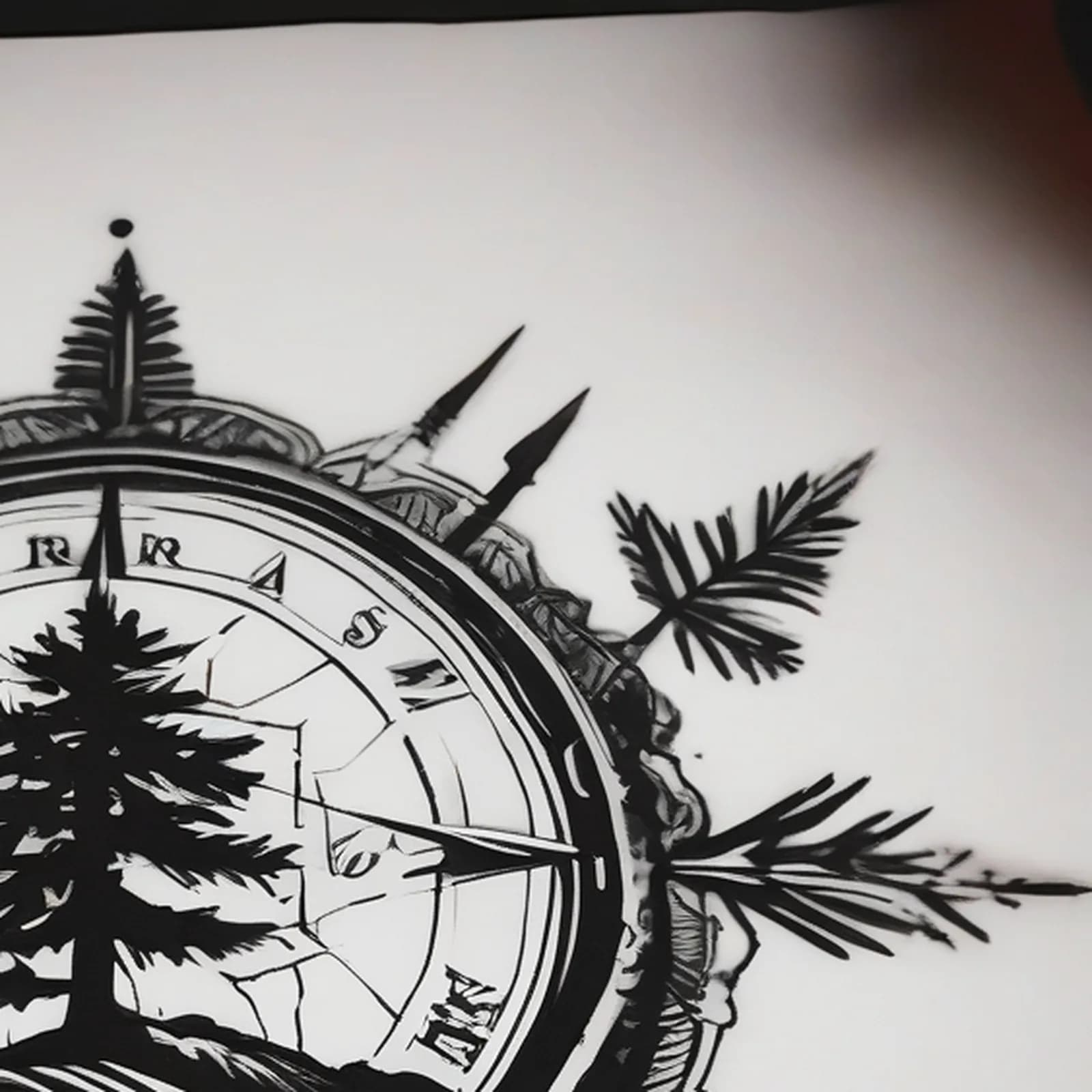
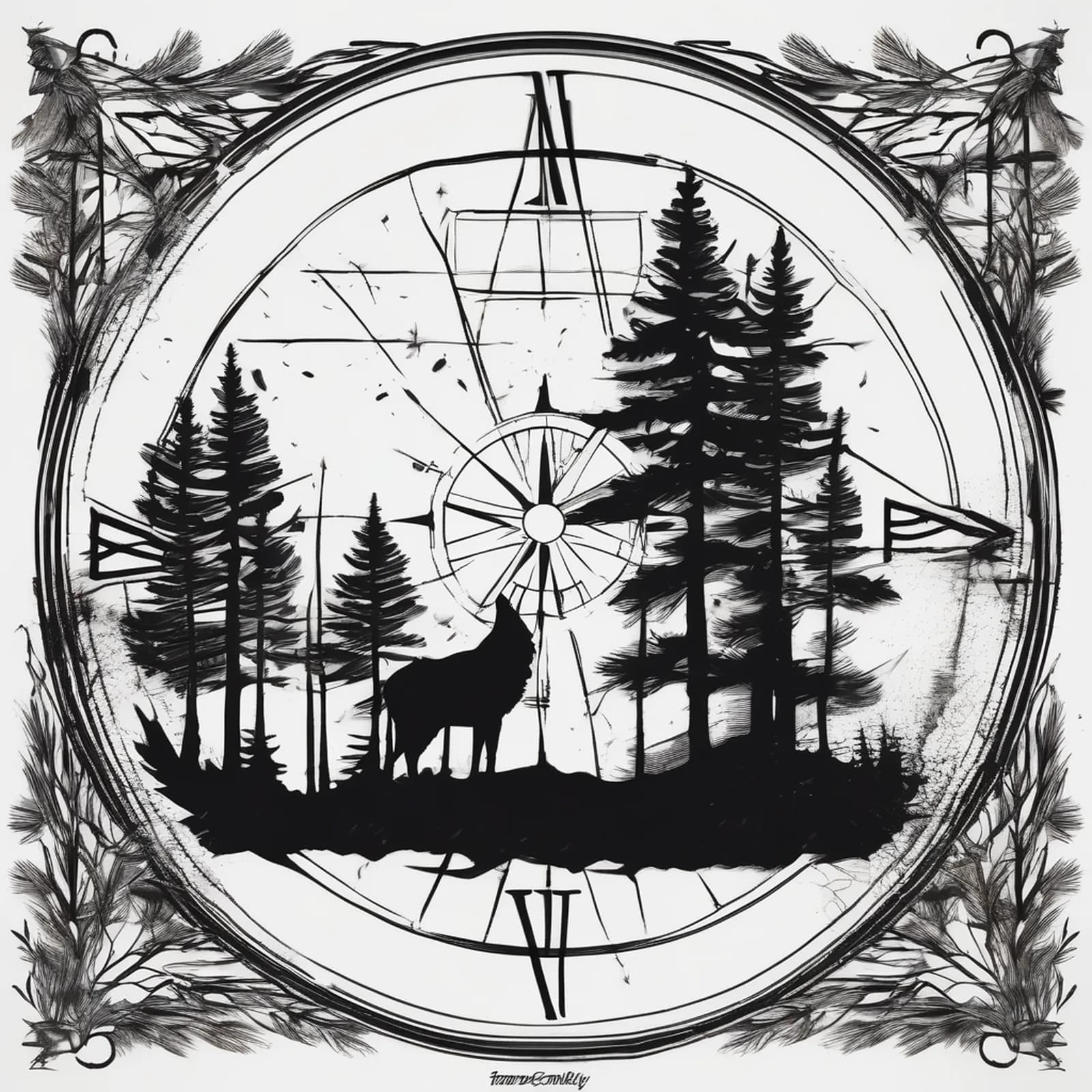

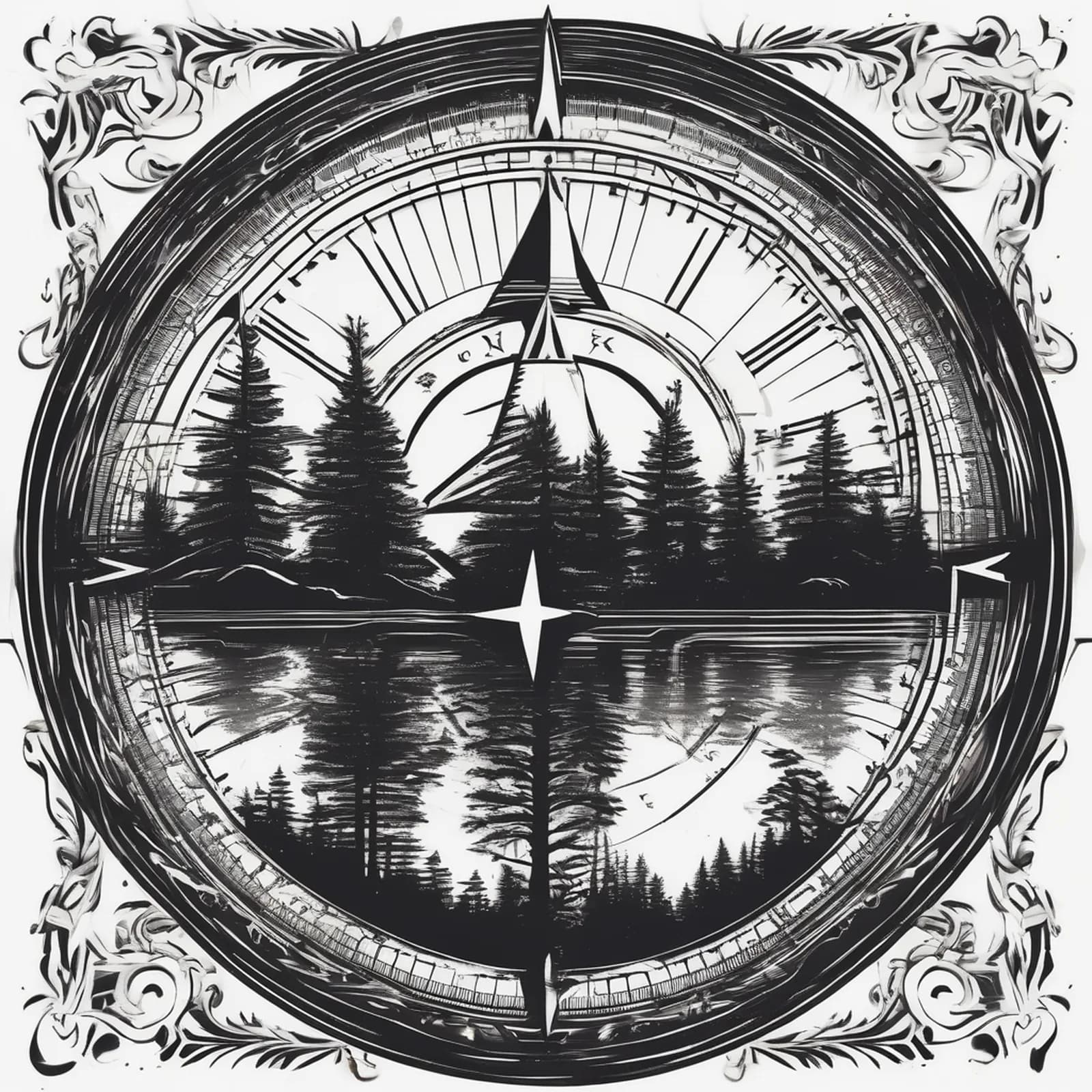
Digitally created design visual. Your tattoo is drawn and adapted to your body by the artist.
Compass And Pine Tree Tattoo: Blackwork on the Forearm
Every piece is quoted individually — the price depends on size, detail and how many sessions it needs. Tell us what you want included and we come back with one all-inclusive figure.
About this design
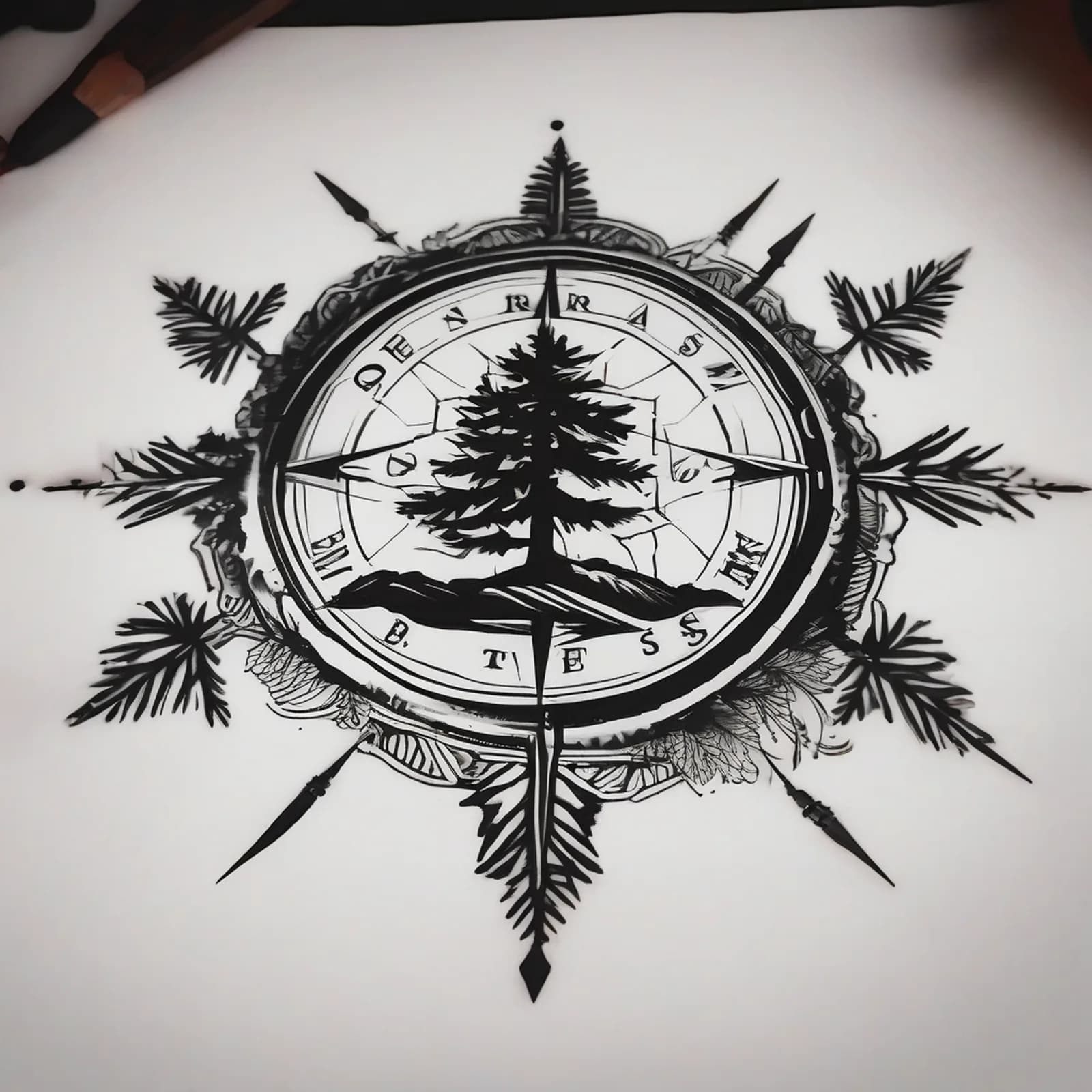
This blackwork compass and pine tree tattoo is a grounded, symbolic statement etched in bold lines and deliberate negative space. The pine silhouette stands tall, rooted in the compass's circular form—each element anchoring the other. Designed for the forearm, it balances strength with quiet intention. The 15–25 cm scale fits the natural curve of the arm, making it visible yet unobtrusive. It’s not just a design—it’s a narrative of direction, endurance, and quiet resilience.
What's in the drawing
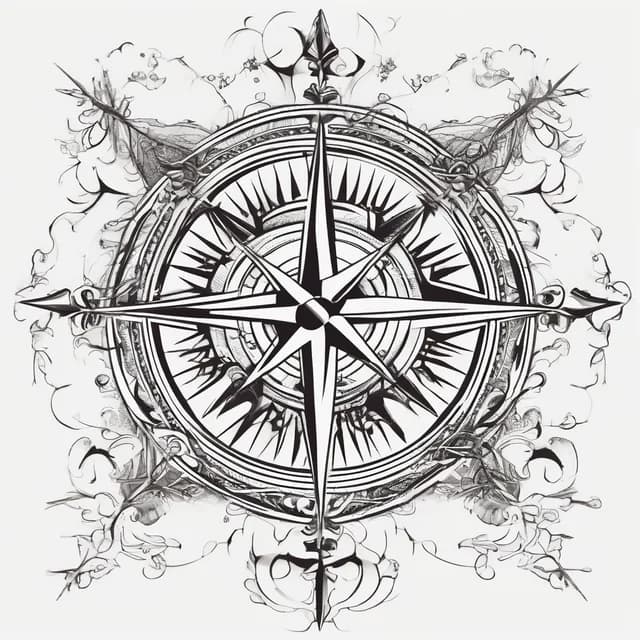
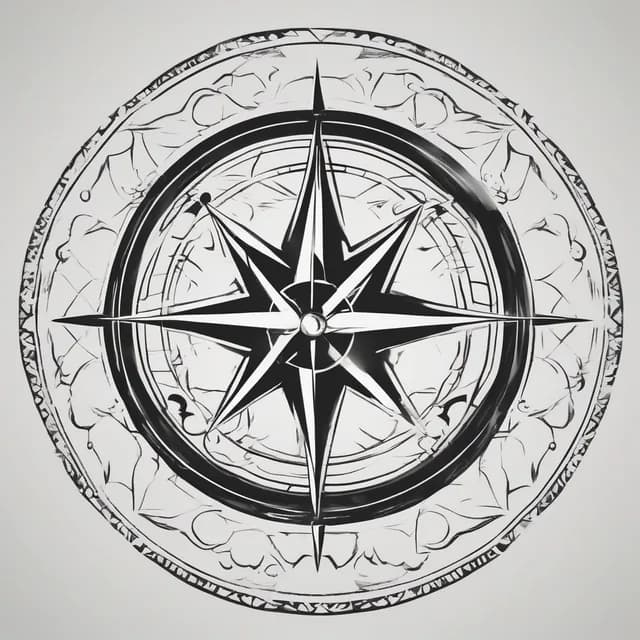
The compass is rendered in a tight, geometric blackwork style with crisp, unbroken lines forming the cardinal points. The needle is subtly emphasized, pointing toward the pine tree’s silhouette, which rises from the center of the circle. The tree’s branches are minimal, defined by strong, tapering lines—no filler, just structure. Negative space is used intentionally: the open area between the tree’s trunk and the compass rim creates breathing room, allowing the eye to move from the needle to the tip of the topmost branch. The line weight remains consistent—thick enough to hold up under movement, precise enough to avoid visual clutter.
Meaning & symbolism
The compass symbolizes direction, purpose, and navigation through life’s uncertainties. The pine tree, enduring through seasons, represents resilience, longevity, and steadfastness. In many cultures, the pine is linked to spiritual growth and protection—particularly in Northern European and Indigenous traditions, where it marks sacred spaces. Together, they form a personal compass: not just for physical travel, but for inner journeying. The design’s blackwork style amplifies this meaning—permanent, unyielding, and clear, like a guiding principle etched into the self. The needle points directly toward the tree’s crown, reinforcing the idea that true direction is found in enduring values. This specific arrangement mirrors the way ancient mariners used natural landmarks to orient themselves, blending practicality with deeper symbolism.
Who this piece is for
This tattoo suits someone who values quiet strength and personal meaning. It’s ideal for those seeking a first tattoo with depth, not spectacle. The forearm placement makes it visible but not overly exposed—suitable for professional settings. It’s not for those seeking high-coverage or flashy designs. If you appreciate minimalist symbolism, natural forms, and a clean, intentional aesthetic, this piece resonates. It’s also right for those who want a meaningful tattoo without a long healing period or extreme pain.
How it sits on the body
On the forearm, the compass and pine tree follow the natural slope of the arm’s outer surface. The circle aligns with the radius bone, and the pine tree’s vertical axis matches the arm’s centerline. As the arm bends, the design flows with the muscle, avoiding distortion. The top of the tree aligns with the elbow crease when the arm is relaxed, making it a subtle but present mark. The blackwork style ensures no blurring from movement, and the line work holds its integrity even when the arm is flexed.
How the sessions work
The 5-hour session plan is split across two visits. Session one focuses on outlining the compass and the pine tree’s trunk and main branches, locking in the structure. Session two completes the fine lines of the branches, adds subtle internal shading to the tree’s silhouette, and tightens the compass’s outer ring. The two-day gap allows for initial healing and ensures the second session can be precise and efficient.
Getting it done on an Istanbul trip
With 3 nights in Istanbul, you’re in the heart of a city that bridges continents—just like this design bridges navigation and nature. The trip’s two sessions fit perfectly into your stay, allowing healing to begin while you explore Kadikoy’s art scene or sip tea in Galata. The city’s direct flights from Europe mean minimal travel fatigue. Keep the tattoo covered on your flight home—loose sleeves work well—and avoid the Bosphorus waters during healing. Your journey becomes part of the story.
Aftercare for this piece
For the first 14 days, keep the tattoo clean and dry. Avoid swimming in the sea or pools—especially the Bosphorus—until fully healed. Use a fragrance-free moisturizer twice daily. On your flight home, wear loose clothing to prevent friction. Avoid direct sun exposure during healing. The forearm’s mobility means you’ll need to reapply moisturizer after long periods of sitting or moving. Do not pick at flaking skin.
Sizes, placements and variations
Smaller versions (10–15 cm) work well on the wrist or behind the ear, keeping the symbolism tight. Larger versions (25–30 cm) can extend to the upper arm for more visual impact. In color, the pine could shift to deep green with black ink, or the compass could feature a red needle. This piece pairs well with a small star or a single line of script—like a name or a word such as ‘home’ or ‘path’—in a minimalist style.
Frequently asked questions
How does a blackwork compass and pine tree tattoo age on the forearm?
Blackwork on the forearm holds up exceptionally well over time. The bold lines resist fading, especially when cared for properly. The forearm’s skin is stable, and the design’s structure—no delicate fills—means it maintains its sharpness for years. Minimal fading occurs, and the silhouette remains defined.
What does the pine tree silhouette symbolize in this blackwork design?
The pine tree represents resilience, endurance, and growth through hardship. In many traditions, it’s linked to protection and spiritual strength. In this design, it stands firm within the compass, symbolizing steady direction even in uncertain times. The silhouette form emphasizes clarity and intention.
How does the forearm placement affect the look of a compass and pine tree tattoo?
The forearm’s curve allows the compass to sit naturally, following the arm’s radius. The pine tree aligns vertically with the arm’s centerline, creating a balanced composition. When the arm bends, the design flows with the movement—no distortion. The placement keeps it visible but not overpowering, ideal for daily wear.
Why choose a blackwork style for a compass and pine tree tattoo?
Blackwork emphasizes structure and symbolism. The bold, unbroken lines create a timeless look that ages well. It’s perfect for this design—no need for color to convey meaning. The contrast and clarity make the compass and tree instantly readable, even from a distance.
Can I swim in the Bosphorus while healing my compass and pine tree tattoo?
No. Avoid swimming in the sea or pools during the first 14 days of healing. The Bosphorus is saltwater and can irritate the fresh tattoo. Keep it dry and protected until fully healed. After 14 days, you can gradually reintroduce water exposure, but avoid prolonged soaking.
What should I wear on the flight home after getting a forearm tattoo?
Wear loose, breathable clothing—preferably a long-sleeve shirt or a light jacket. This protects the tattoo from friction and direct sun. Avoid tight sleeves or materials that rub. The forearm is mobile, so keeping it covered ensures no accidental contact during the flight.