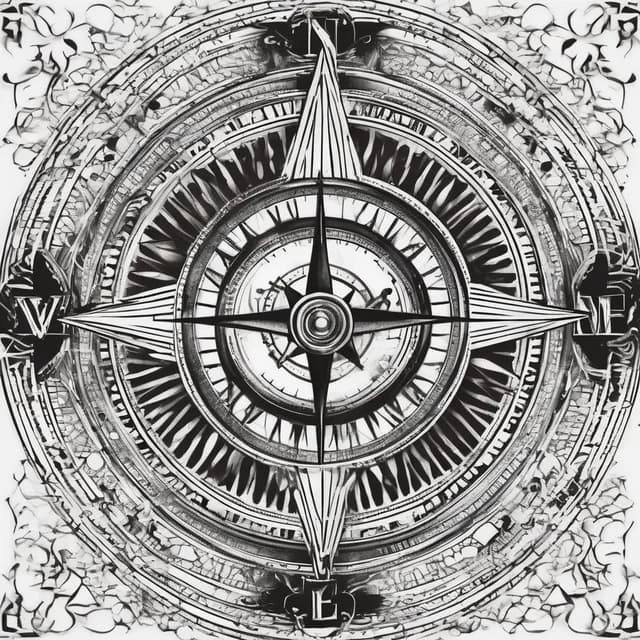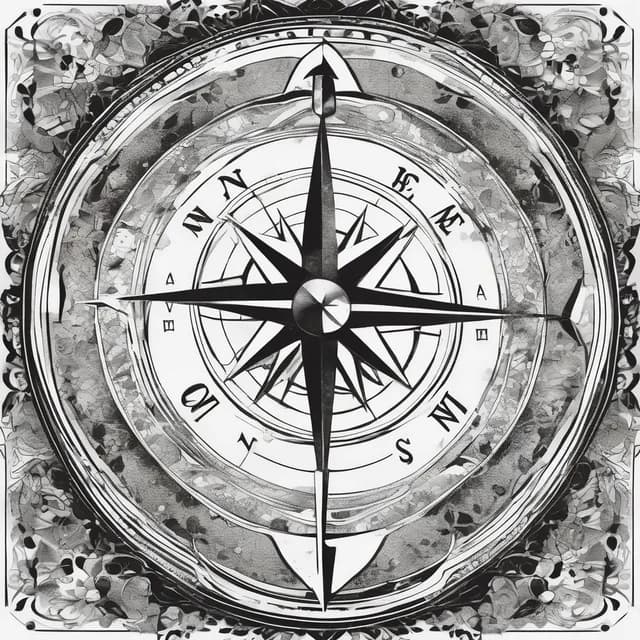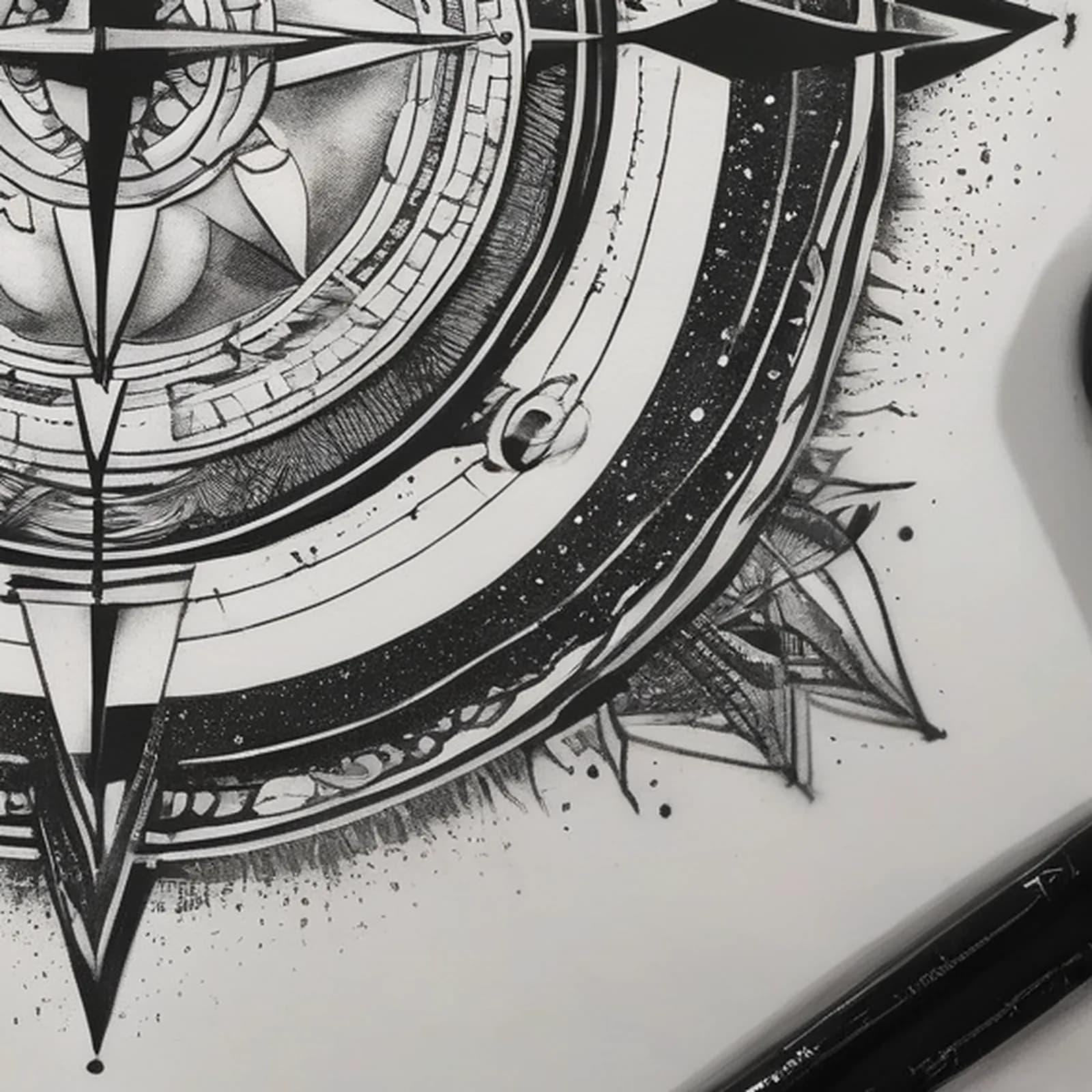
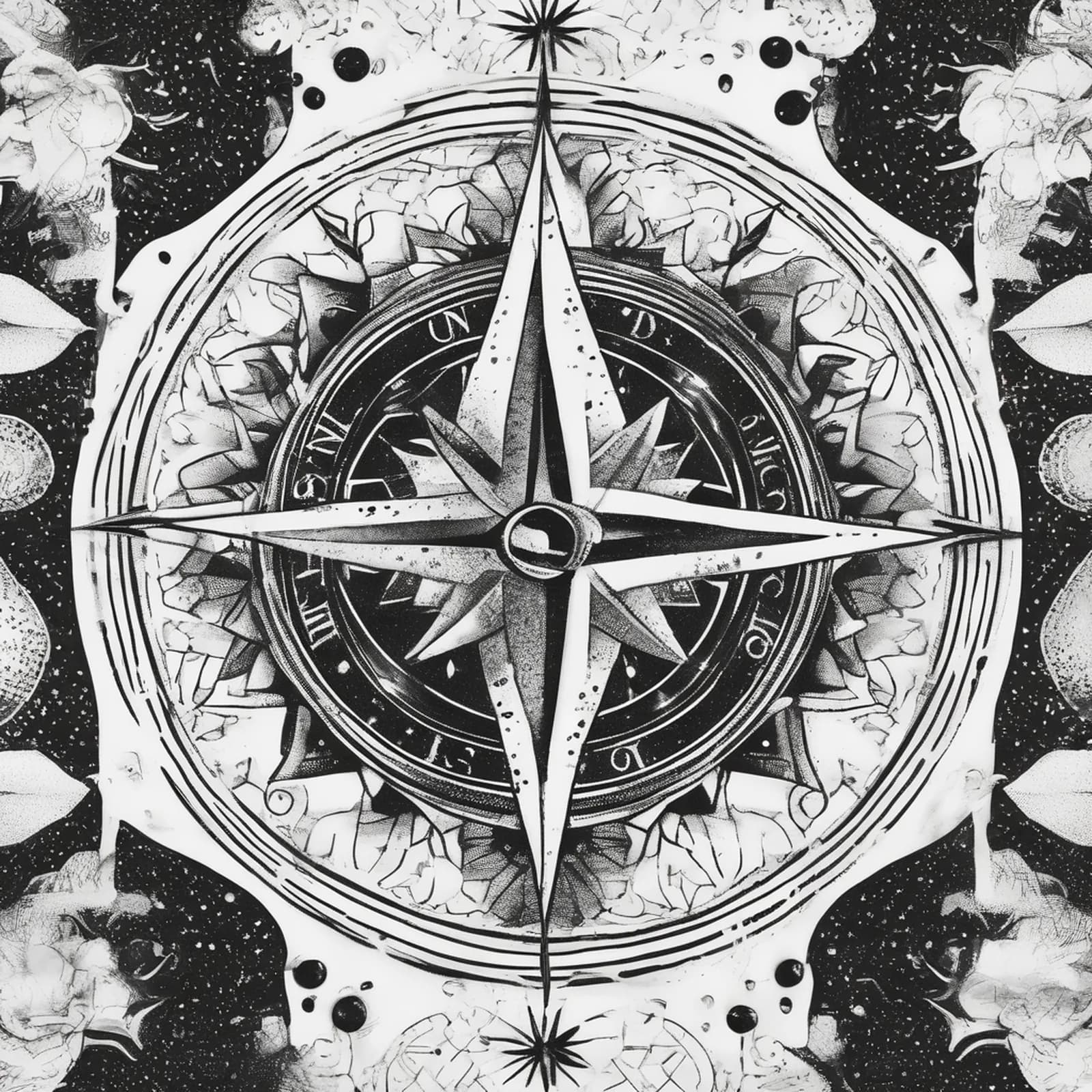
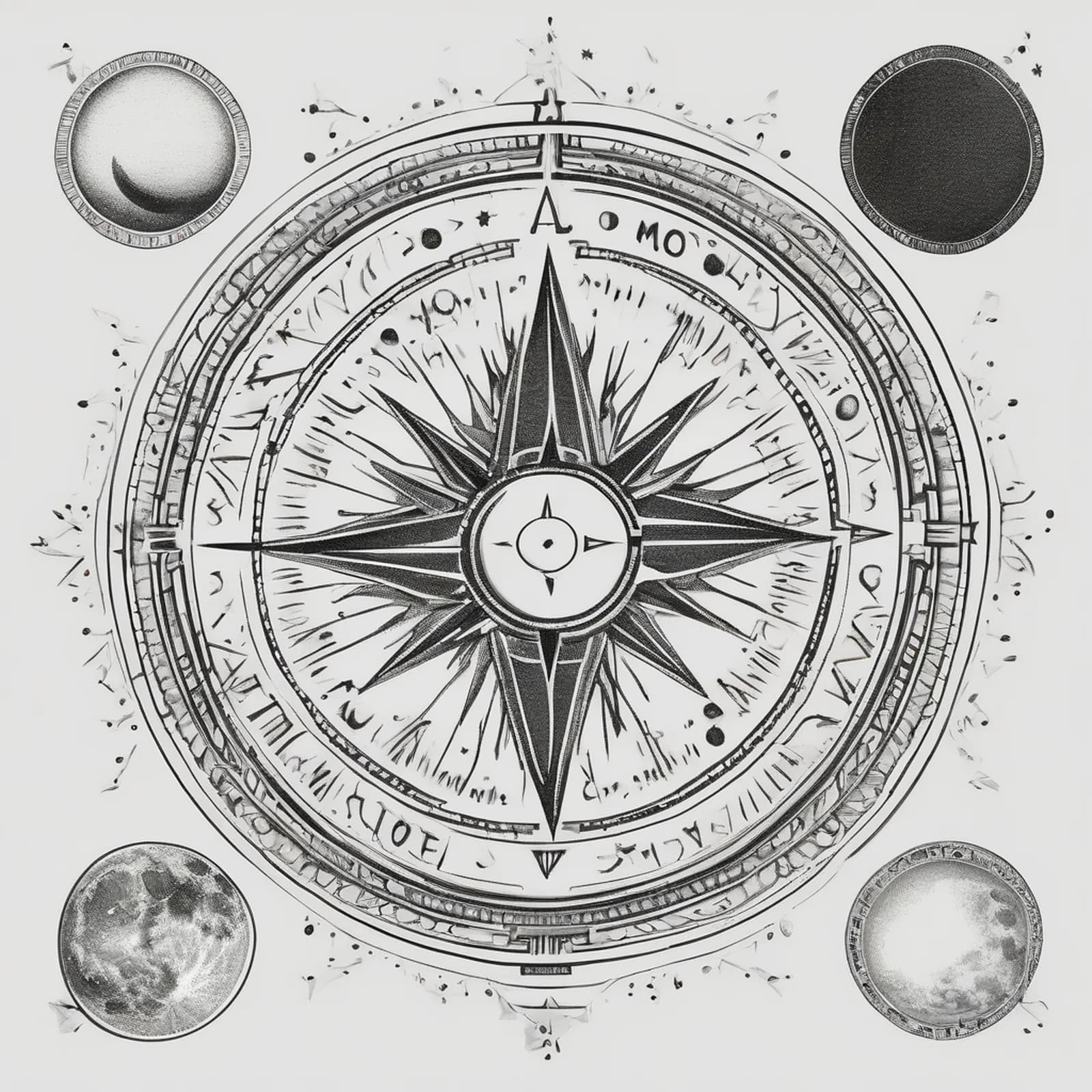
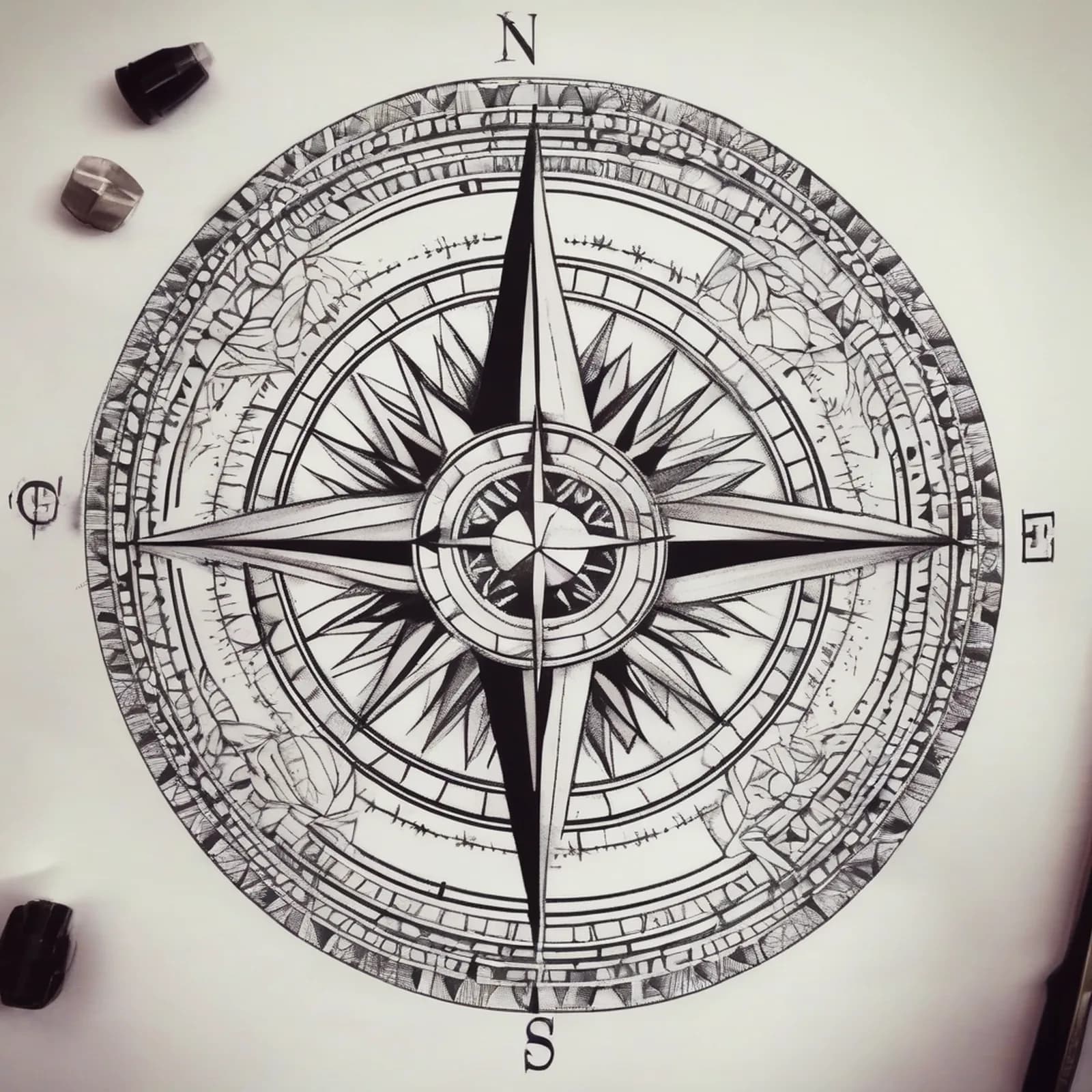
Digitally created design visual. Your tattoo is drawn and adapted to your body by the artist.
Compass and Moon Phases: A Dotwork Journey on the Forearm
Every piece is quoted individually — the price depends on size, detail and how many sessions it needs. Tell us what you want included and we come back with one all-inclusive figure.
About this design
This dotwork compass and moon phases tattoo captures the quiet rhythm of navigation and time’s gentle arc. Designed for the forearm, it unfolds in a balanced spiral where each phase of the moon is rendered in precise, clustered dots—subtle yet intentional. The compass, etched in fine dotwork, anchors the composition with a sense of direction. It’s not a bold statement, but a personal map—quiet, meaningful, and deeply tactile. Perfect for those who value symbolism over spectacle.
What's in the drawing
The design centers a circular compass rose, its points marked by delicate dotwork, not lines. Around it, the moon phases progress clockwise in a tight, continuous ring—new moon, crescent, first quarter, gibbous, full, waning gibbous, third quarter, and back. Each phase uses increasing dot density to suggest light and shadow, with negative space between phases creating visual breath. The dotwork is consistent in pressure and spacing, with no fill—only texture. The composition flows from the outer rim inward, guiding the eye to the compass’s core, where a single dot marks true north. The forearm’s natural curve is respected; the design wraps subtly around the radius bone without strain.
Meaning & symbolism
The compass symbolizes direction, choice, and self-guidance—rooted in maritime tradition but widely adopted in spiritual and personal growth contexts. The moon phases reflect cycles of change: growth, peak, release, and return. In many cultures, including Indigenous and ancient Mediterranean traditions, lunar phases mark time, ritual, and inner transformation. This design doesn’t claim any single origin but draws from universal patterns of navigation and timekeeping. It speaks to someone who trusts their inner compass, even when the path isn’t clear. The dotwork technique mirrors the quiet persistence of these cycles—each dot a moment, each cluster a phase. The placement on the forearm, a limb used for reaching and guiding, reinforces the theme of personal navigation through life’s shifting tides.
Who this piece is for
This piece suits those with a subtle, reflective aesthetic. It’s ideal for first-timers seeking a meaningful, low-impact tattoo—no bold lines, no high pain. It’s also perfect for professionals who prefer discreet, non-contrasting designs that won’t draw unwanted attention at work. It’s not for those seeking large, visible body art or vibrant color. It’s for the quiet observer, the planner, the dreamer with a steady hand.
How it sits on the body
On the forearm, the design follows the natural contour of the radius bone. When the arm is bent, the curve of the moon phases remains legible, not distorted. The compass sits slightly above the wrist, where it’s visible but not intrusive. As the arm moves, the dotwork maintains its integrity—no stretching or blurring. The design wraps gently around the limb, with no sharp angles, making it ideal for movement and long-term wear.
How the sessions work
Session one (2.5 hours): The compass is drawn with precise dotwork, starting from the center and expanding outward. Each point is marked with consistent dot spacing to ensure symmetry. The first four moon phases are laid in, using controlled dot pressure to create gradual light shifts. Session two (2.5 hours): The remaining four phases are completed, with attention to dot density and spacing consistency. The entire piece is reviewed for alignment and texture. No additional sessions are needed. The artist applies a thin layer of protective ointment before you leave, and you receive a printed aftercare guide.
Getting it done on an Istanbul trip
With only two sessions and a 14-day surface healing, 3 nights in Istanbul is ideal. Kadikoy and Beyoglu studios are close to the Bosphorus and offer quiet, climate-controlled spaces. You can fly home after session two, with the tattoo protected by loose clothing and no sun or water exposure. Direct flights from Europe take under four hours—perfect for healing on the journey. The city’s two airports make travel seamless, and the tattoo remains safe throughout.
Aftercare for this piece
Keep the tattoo covered with loose, breathable fabric on the flight home. Avoid direct sun and swimming pools for 14 days. Clean gently with fragrance-free soap and pat dry. Apply a thin layer of unscented moisturizer twice daily. The dotwork will scab lightly—do not pick. The area may feel slightly itchy during the first week. Avoid tight sleeves or friction until fully healed in 12 weeks. The healing process is smoother when the skin stays hydrated and protected from dry air, especially during flights. The dotwork texture will settle into a soft, even finish by week 8.
Sizes, placements and variations
Smaller versions (8–12 cm) fit snugly on the inner forearm or wrist. Larger ones (30 cm) can extend into the upper arm with added symbols. In color, deep indigo and silver ink can enhance moon phases. It pairs well with a small constellation line or a single star on the wrist. For a more layered look, consider adding a single word in dotwork, like 'navigate' or 'cycle'.
Frequently asked questions
How does a dotwork compass and moon phases tattoo look on the forearm?
The dotwork creates a soft, textured effect. The compass remains precise, with each point defined by dot clusters. The moon phases are distinct but blend seamlessly—each phase subtly shaded by dot density. The design flows with the forearm’s curve, staying readable even when the arm moves.
What does a moon phase tattoo symbolize in dotwork style?
In dotwork, the moon phases represent time, change, and introspection. The absence of lines emphasizes subtlety and inner rhythm. Each phase is a moment in a cycle—growth, stillness, release. It’s a personal reminder of life’s natural ebb and flow.
How long does a compass and moon tattoo take in two sessions?
The full design is completed in two sessions, each lasting 2.5 hours. Session one focuses on the compass and first half of the moon phases. Session two finishes the remaining phases and ensures dot consistency. No extra visits are needed.
Is a dotwork compass and moon phases tattoo painful on the forearm?
Pain is rated at 4/10—low. The forearm has moderate sensitivity, but dotwork is less invasive than lines or shading. The skin is not deeply punctured, and the process is steady. Most clients describe it as a constant, light scratching sensation.
Can I fly home after getting a compass and moon tattoo in Istanbul?
Yes. The surface heals in 14 days, and the tattoo is protected by loose clothing during the flight. Avoid sun and water until fully healed. The city’s direct flights from Europe make it easy to return with minimal risk to the fresh ink.
Why choose Istanbul for a dotwork compass and moon phases tattoo?
Istanbul’s studios in Kadikoy and Beyoglu offer climate-controlled spaces ideal for healing. With only two sessions and a short surface healing, 3 nights in Istanbul fits perfectly. Direct flights from Europe make travel easy, and the city’s location between continents mirrors the design’s theme of navigation and transition.